

D30 Timberfire Gas Insert
Overview
Mendota's gas fireplace inserts instantly enhance the beauty and functionality of your existing wood burning fireplace. Available in two sizes, both gas fireplace insert models feature sealed combustion, direct vent technology that keeps warm air in and cold air out, assuring high air quality, maximum efficiency and trouble-free operation in today's tight homes.
Quick Specs
- BTUs: Up to 29,000 Input
Natural Gas
| BTU | 19,900 - 30,000 Input |
|---|---|
| Width | 30-1/2 in. |
| Height | 19 in. |
| Depth | 16-1/2 in. |
| Weight | 150 lbs. |
Liquid Propane
| BTU | 16,200 - 29,000 Input |
|---|---|
| Width | 30-1/2 in. |
| Height | 19 in. |
| Depth | 16-1/2 in. |
| Weight | 150 lbs. |
Minimum Fireplace Opening
| Width | 30-1/2 in. |
|---|---|
| Height | 19 in. |
| Depth | 16-1/2 in. |
Hearth Blog Posts
Choosing the Right Fireplace for a Mountain Home
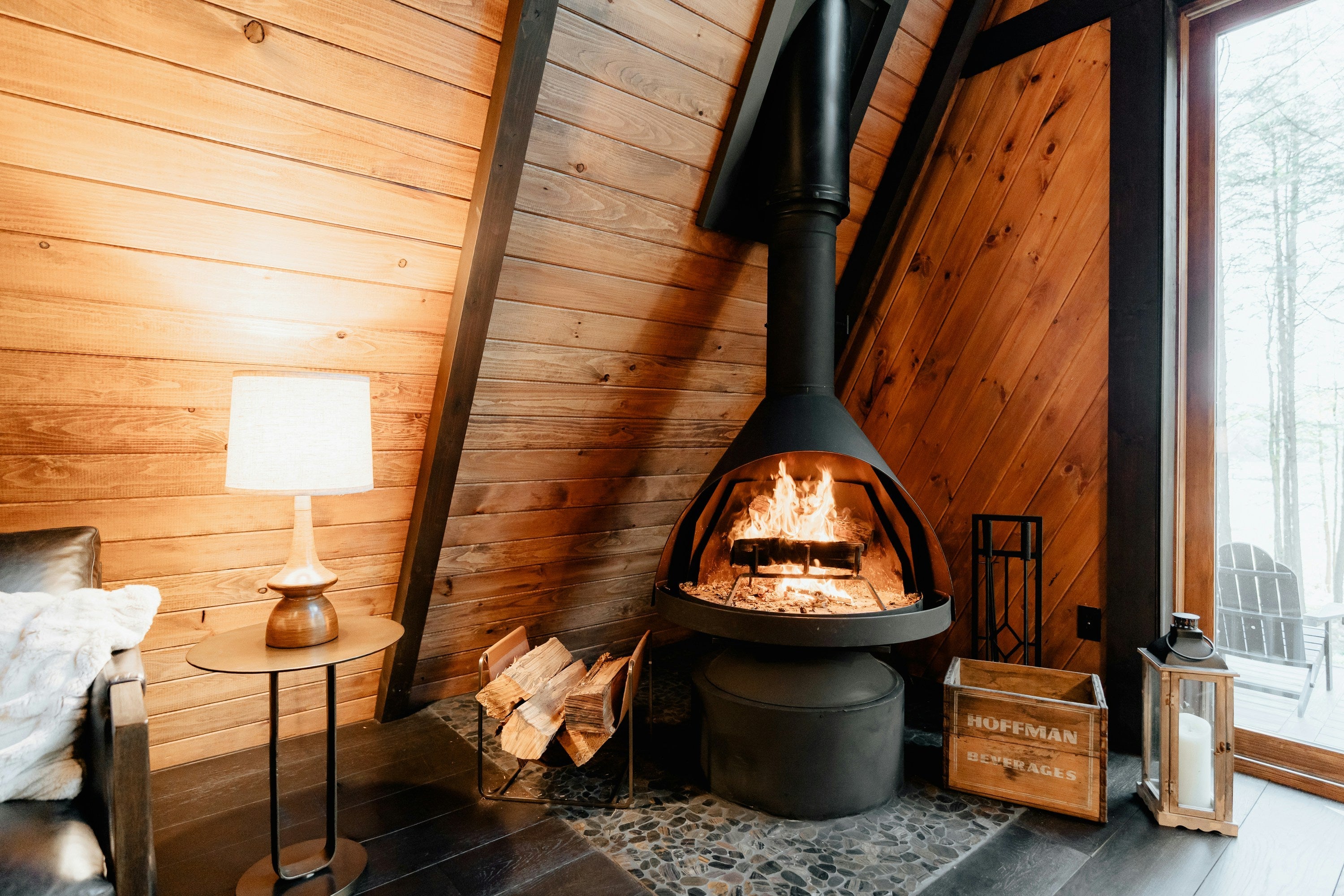
A fireplace is the heart of a mountain home — but mountain living brings cold, outages, high altitude, and big open rooms. Here's how to choose between wood, gas, pellet, and electric, and get the heat, safety, and scale right.
Can a Fireplace Actually Heat My Home?
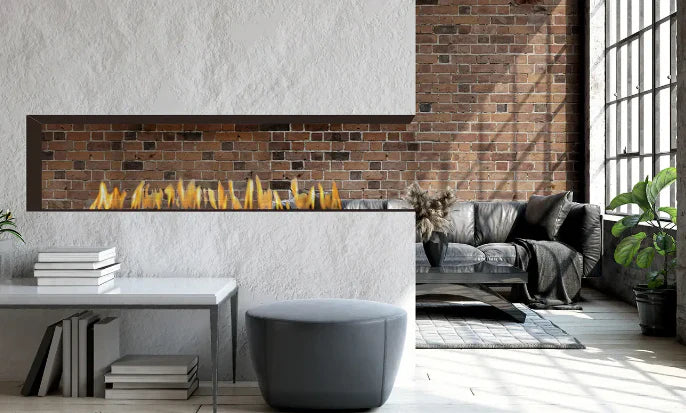
A fireplace won't replace your furnace — but it can meaningfully heat the spaces where you actually spend your time, reduce your furnace run time by 20–40%, and keep your family warm during a power outage. This guide explains how zone heating works, compares BTU output and efficiency across gas, wood, and electric fireplaces (with specific models from Valor, Kozy Heat, Heatilator, Heat & Glo, and Stûv), walks through three real-world Idaho heating scenarios, and shows you why a fireplace BTU feels warmer than a furnace BTU.
Wood-Burning vs. Gas Fireplace: Total Cost of Ownership in Idaho
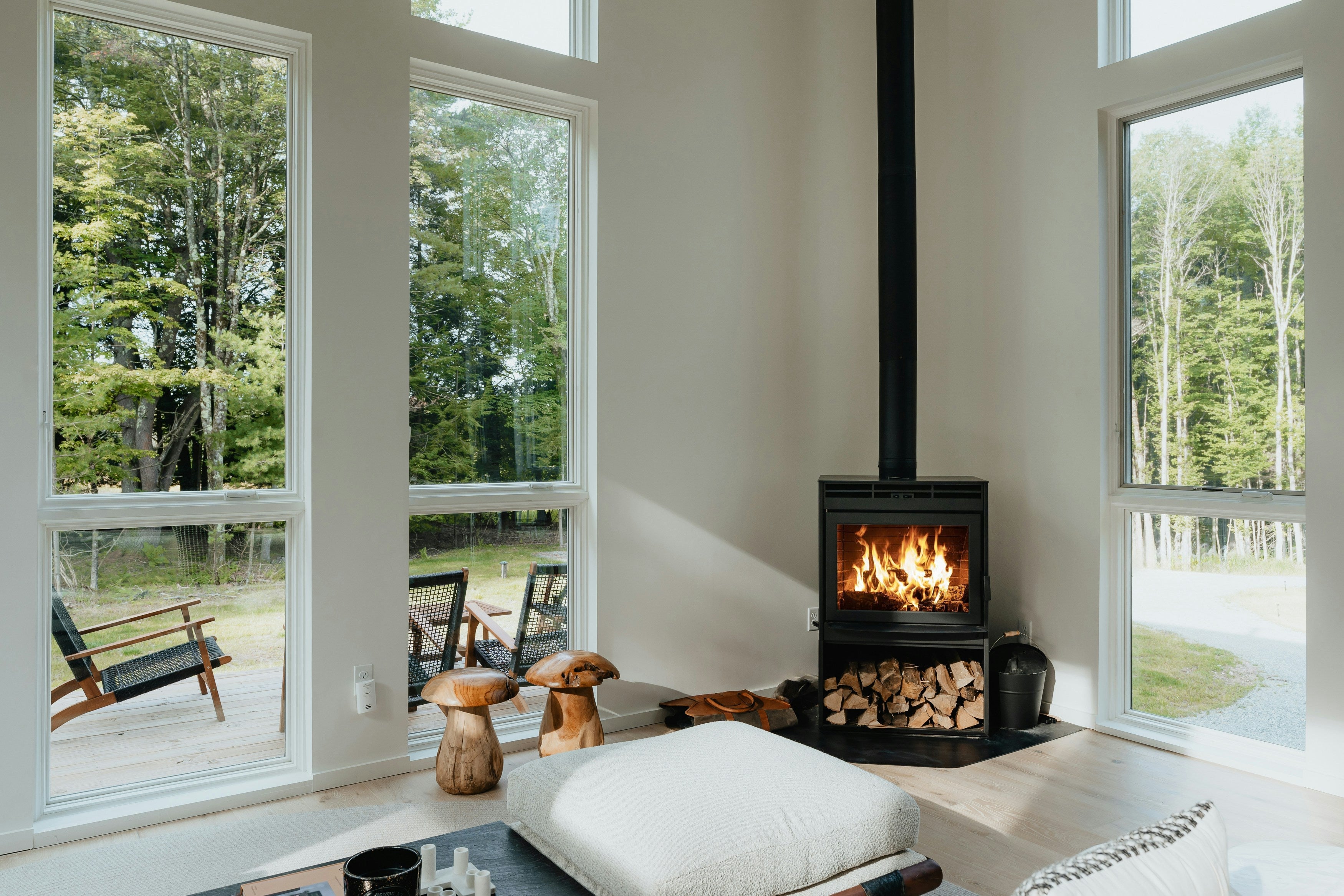
Most people compare wood and gas fireplaces by sticker price and stop there — but the purchase price is only part of the story. The real question is total cost of ownership: what you'll spend over the years to buy, fuel, and maintain it, plus the value of things that never show up on a receipt, like ambiance and heat during a power outage. This guide breaks down the true 10-year cost of each in Idaho using real local numbers — the cheapest natural gas in the country (~$0.50/therm) and affordable firewood (~$200/cord) — across upfront, fuel, and maintenance. Spoiler: gas usually wins on cost, but wood wins on the intangibles. Here's how to decide which is right for your home.