
Preparedness Without the Panic: Heat, Food, Water, and Comfort When the Power Goes Out
A Calm, Practical Guide to the Preparedness That Actually Matters for an Idaho Home—Heat That Works Without Electricity, Cooking Off the Grid, the 400 Gallons of Water You Already Own, Keeping Your Spa Safe in a Freeze, and Why the Best Prep Looks a Lot Like Comfort
Every few years the headlines get loud, the forums fill up, and a lot of people start asking themselves whether they’re ready for something. If you’ve been feeling that this fall, you’re not alone—and you’re not wrong to think about it. But here’s the thing we tell customers who come in worried: the scenarios worth preparing for in Idaho aren’t exotic. They’re a December ice storm that drops the power for three days, a week of sub-zero cold, a mountain road closed by snow, a supply hiccup that empties a shelf. The good news is that preparing for the likely also covers you for most of the unlikely—and the best version of that preparation makes your home more comfortable every single day, not just on the bad ones.
This guide is about that kind of readiness: heat that doesn’t depend on the grid, a way to cook when the kitchen is dark, the water reserve most hot tub owners don’t realize they already have, protecting your spa in a hard freeze, and a few honest notes on safety and the basics we don’t sell. We’ll be straight about what each product can and can’t do in an outage, because a preparedness plan built on wishful thinking isn’t one.
From Leisure Time Inc., a family business that has served Idaho since 1974, with showrooms in Boise, Idaho Falls, and Twin Falls. We’ve been through a lot of Idaho winters with our customers. Here’s what we’ve learned.
The Short Version
- Prepare for the likely. Cold and power outages are the real risks here. Cover those well and you’re most of the way to covering everything else.
- Your heat source is decision number one. A wood stove needs no electricity at all; certain gas fireplaces run without power; pellet appliances need a battery backup or generator.
- Have a way to cook without the grid. A charcoal kamado or a wood-fired oven turns an outage into a cookout.
- Your hot tub is a water reserve. Hundreds of gallons for flushing, washing, and cleaning—not for drinking—sitting in your backyard.
- Protect the spa itself. Good insulation, a tight cover, and the built-in freeze protection carry it through most outages; don’t drain it in a panic.
- Stock fuel, not fear. Two weeks of wood, pellets, or propane is the single most useful thing you can do this month.
First Principle: Prepare for the Likely, Not the Lurid
Preparedness has an image problem. It conjures bunkers and buckets of freeze-dried food, and that image stops a lot of sensible people from doing the sensible things. So let’s reframe it. The question isn’t ‘what’s the worst thing that could happen?’ It’s ‘what would make my family uncomfortable or unsafe this winter, and how do I make sure it doesn’t?’
For an Idaho household, that list is short and concrete: losing heat, losing the ability to cook, losing water pressure, and losing the mental steadiness that comes from having those three handled. Every item below addresses one of them. And notice the pattern—a wood stove, a kamado grill, a well-insulated hot tub—these are things people buy for the pleasure of them. Resilience is the bonus. That’s the healthiest way to prep: build a home you’d want anyway, and let it also be the home that handles a hard week.
Heat That Doesn’t Depend on the Grid
When the power goes out in January, a furnace, a heat pump, and most electric-ignition appliances go with it. Heat is the first thing to get right, and the honest fact is that not every fireplace keeps working. Here’s how the hearth products we carry actually behave with the power off:
| Heat Source | Runs Without Electricity? | What to Know |
|---|---|---|
| Wood stove or wood fireplace (HearthStone, Kuma, Stûv, Vermont Castings) | Yes, completely | Needs only wood and a match. The gold standard for outage heat. |
| Gas fireplace with battery backup (e.g., Heat & Glo Mezzo) | Yes—the fire and radiant heat | Battery backup keeps the ignition working; the blower won’t run, but the fire will. |
| Gas appliance with millivolt or valve-based ignition (e.g., Kozy Heat Chaska 335S; Valor fireplaces) | Yes | Designed to operate with no electrical connection at all. Ask us which models. |
| Standard electronic-ignition gas fireplace | Usually no | Many go dark with the grid. Check your model; some accept a battery backup. |
| Pellet stove | No, not on its own | The auger, igniter, and blowers need power. Pair it with a battery backup (UPS) or generator. |
| Electric fireplace | No | Ambiance only; never count on it for emergency heat. |
Why a Wood Stove Is the Prepper’s Fireplace
A wood stove is the one heater in the house that works no matter what. No grid, no gas line, no electronics—just fuel you can stack in the yard. Two of the brands we carry deserve a specific mention. HearthStone’s soapstone stoves store the fire’s heat in 1¼-inch stone walls and keep radiating it for hours after the fire burns down; HearthStone rates its stoves by HeatLife™, the hours of usable heat from one load, up to 30 on the right stove. In an outage, that means a stove you load at bedtime is still warming the house at dawn. And Kuma builds hard-working, no-nonsense wood stoves right here in Idaho, in Rathdrum—a stove designed by people who know what our winters ask of it.
If You Have Gas: Choose Models That Keep Working
Gas is a great outage fuel because the line usually stays pressurized when the power fails—but only if your fireplace can light without electricity. If you’re shopping, prioritize a unit with battery backup like the Heat & Glo Mezzo, or a millivolt or valve-based model like Kozy Heat’s Chaska 335S or Valor’s fireplaces, which run with no power connection at all. If you already own a gas fireplace, ask us whether it has or can accept a battery backup before winter.
If You Have a Pellet Stove: Add a Backup
Pellet stoves are efficient, convenient, and—this is the honest part—dependent on electricity for their auger, igniter, and fans. That doesn’t disqualify them; it just means a pellet owner’s preparedness list includes a battery backup sized for the stove or a generator. A modest UPS will run a pellet stove for hours; a generator runs it for days. We can tell you what your stove draws.
Any fuel-burning appliance—wood, gas, pellet—needs working carbon monoxide detectors in the home, and this matters most in an outage, when people improvise. Never bring a grill, camp stove, or generator indoors or into an attached garage. A properly installed, vented hearth appliance is safe heat; a charcoal grill in the living room is a tragedy waiting to happen. Test your CO detectors this week.
Cooking When the Kitchen Is Dark
An electric range is useless in an outage and a gas range with electronic ignition may be too. But if you own any of the outdoor cooking gear we sell, you own a full kitchen that doesn’t care about the grid:
- A Big Green Egg (or any kamado): The single most versatile outage cooker there is. Charcoal needs no power, a kamado holds a steady temperature for hours on a small amount of fuel, and it bakes, roasts, smokes, sears, and simmers. You can cook a week of meals on one bag of lump charcoal.
- A wood- or multi-fuel pizza oven (Gozney Dome, Ooni Karu): Burning wood, these ovens reach searing temperatures in minutes and cook far more than pizza—bread, roasts, vegetables, anything in cast iron. A gas-capable model running on propane works just as well.
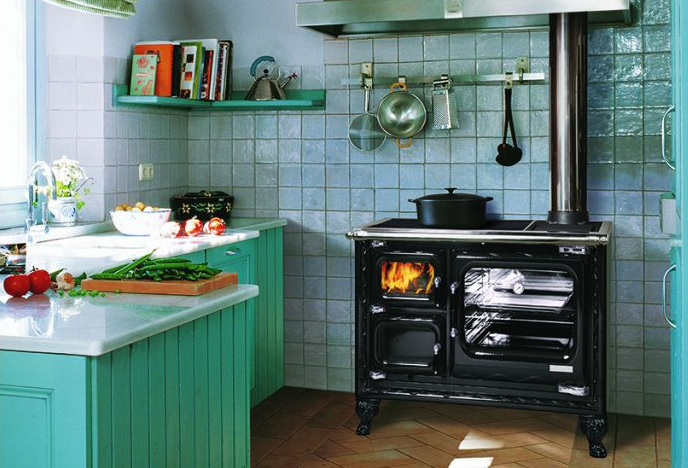
- A wood cook stove (HearthStone Deva): The old-world answer and still the best one—a full range and oven that heats the house while it cooks, on wood alone.
- A pellet grill (Pit Boss, Green Mountain, Louisiana Grills): Excellent cookers, but like pellet stoves they need electricity for the auger and controller. Green Mountain’s 12-volt models can run off a battery or vehicle; others need a UPS or generator.
The cheapest, most effective food-preparedness move an Egg or pizza-oven owner can make: keep an extra bag of lump charcoal (or a stack of oven-ready wood) and a cast-iron Dutch oven set aside and never touch them. In an outage, that’s a week of hot meals. Stock up now, while the shelves are full, and cook outside—always outside.
The 400 Gallons of Water You Already Own
Here’s the preparedness asset almost no hot tub owner thinks about. A full-size spa holds 350 to 450 gallons of water—a Hot Spring Grandee or Envoy holds 455, a Sundance Cameo 350. When a storm knocks out power to a well pump or a municipal system loses pressure, that’s a very large reserve sitting in your backyard.
Be clear-eyed about what it’s for. Spa water is treated with sanitizer and isn’t drinking water, and we don’t recommend treating it as such. But for everything else a household needs water for in an emergency—flushing toilets, washing dishes and hands, cleaning, even a bucket bath—it’s ideal, and it frees your stored drinking water for drinking. A bucket dipped from the spa flushes a toilet; a few gallons warmed on the kamado does the dishes. Over a multi-day outage, that reserve is worth more than most people’s entire emergency kit.
- Keep the water clean year-round. A well-maintained spa is a usable reserve; a neglected one isn’t. Systems like Hot Spring’s FreshWater Salt System keep water sanitized for up to a year between drains, which also means your reserve is never half-empty for a refill.
- Keep a clean bucket and a dipper near the spa. Simple, and it means nobody has to think about it in the dark.
- Store real drinking water separately. The standard guidance is one gallon per person per day for at least three days, and more is better. We don’t sell it; a few cases from the grocery store cover it.
Keeping the Hot Tub Itself Safe in a Freeze
The flip side of owning a spa in Idaho is worrying about it when the power fails. The reassuring truth: a modern, well-insulated spa handles an outage far better than people fear.
- Full-cavity insulation buys you time. Hot Spring’s full-foam and FiberCor spas, Caldera’s FiberCor, and Sundance’s full foam all surround the plumbing in insulation, turning the spa into a well-insulated tank that holds heat for many hours—and protecting the pipes, which are what freeze first.
- Leave the cover on and locked. The water surface is where most heat escapes. A good cover is your spa’s coat; a tired, waterlogged one is a liability in a freeze. If yours is heavy and sagging, replace it before winter.
- Trust the freeze protection. Hot Spring, Caldera, and Sundance spas all include freeze-protection logic that circulates water or runs the heater when temperatures drop, as soon as power returns.
- Don’t drain it in a panic. A full spa is far safer in a short outage than an empty one with water trapped in the lines. Draining is a last resort for an extended, multi-week outage, and it has to be done properly. Call us before you do it.
- In a long outage, a generator can run the spa’s circulation and heater—ask us what your model requires.
A Warm Place to Steady Yourself
There’s one more kind of preparedness that nobody puts on a checklist, and it matters. A hard week—a storm, an outage, a stretch of bad news—is a stress event, and stress is corrosive. Families that come through those weeks well tend to have a routine that keeps them steady. For a lot of our customers, that routine is a nightly soak or a sauna session: twenty minutes of warm water and quiet, a place to decompress and talk, a reason to go outside and look at the stars instead of at a screen. If your spa has heat (and with a generator or a quick power return, it will), that habit is worth protecting. Comfort isn’t a luxury in a crisis. It’s what keeps people thinking clearly.
The Checklist: What to Do This Month
- Confirm your outage heat source. If it’s a wood stove, you’re set. If it’s gas, verify battery backup or millivolt ignition. If it’s pellet, buy the UPS or generator now.
- Stock two weeks of fuel. Seasoned firewood under cover, pellets in a dry spot, a full propane tank or two. Fuel is the cheapest insurance there is, and it’s the first thing to vanish from stores when weather turns.
- Test every CO and smoke detector, and replace batteries.
- Set aside outage cooking fuel—a reserve bag of charcoal or a stack of oven wood—plus a cast-iron pan and a lighter you don’t touch otherwise.
- Put a bucket by the spa and make sure the water is clean and the cover is in good shape.
- Store drinking water and shelf-stable food for at least three days per person. (That part’s the grocery store’s department, not ours.)
- Schedule your hearth service. A chimney sweep and a gas-fireplace tune-up before winter is the difference between a heat source you can count on and one that fails the night you need it.
- Write it down. One page on the fridge: where the fuel is, how to light the stove, which breaker feeds the spa, where the bucket is. In the dark, nobody should have to remember.
We’re a hearth, spa, and outdoor-living company, so we’ll stay in our lane: the full picture of preparedness also includes drinking water, shelf-stable food, a first-aid kit, medications, flashlights and batteries, a battery or hand-crank radio, a way to charge a phone, and cash. None of that is complicated or expensive, and the Idaho Office of Emergency Management and Ready.gov publish excellent checklists. Pair those basics with heat, cooking, and water that don’t depend on the grid, and you’ve covered the realistic scenarios comfortably—no bunker required.
Frequently Asked Questions
What’s the best heat source for a power outage?
A wood stove. It needs no electricity, no gas line, and no electronics—just wood and a match—and a soapstone stove like a HearthStone keeps radiating stored heat for hours after the fire dies. Among gas fireplaces, choose a model with battery backup (like the Heat & Glo Mezzo) or millivolt or valve-based ignition (like Kozy Heat’s Chaska 335S or Valor), which run with no power. Pellet stoves need a battery backup or generator.
Will my gas fireplace work when the power is out?
It depends on the ignition. Models with battery backup or millivolt or valve-based ignition will light and burn (the blower won’t run without power, but the fire and its radiant heat will). Many standard electronic-ignition units won’t light without electricity, though some can accept a battery backup. Bring us your model and we’ll tell you exactly where it stands—before winter.
Can I drink the water from my hot tub in an emergency?
We don’t recommend it. Spa water is treated with sanitizer and isn’t drinking water. Its real value in an outage is everything else a household uses water for—flushing toilets, washing, cleaning, bathing—which frees your stored drinking water for drinking. A full-size spa holds 350 to 450 gallons for those uses. Store separate drinking water at a gallon per person per day.
Will my hot tub freeze if the power goes out?
Not quickly. A modern spa with full-cavity insulation (full foam or FiberCor) and a good cover holds heat for many hours, and the insulation around the plumbing protects the pipes that freeze first. Hot Spring, Caldera, and Sundance spas also have freeze-protection logic that activates when power returns. Leave the cover on, don’t drain it in a panic, and for a multi-day outage a generator can run the circulation and heater.
Can I cook on a pellet grill without electricity?
Not on its own—the auger and controller need power. Green Mountain’s 12-volt models can run from a battery or vehicle, and any pellet grill will run off a UPS or generator. For a cooker that needs nothing but fuel, a charcoal kamado like the Big Green Egg or a wood-fired pizza oven like a Gozney or Ooni Karu is the better emergency tool.
What’s the single most useful thing I can do this month?
Stock fuel. Two weeks of dry firewood, pellets, or a full propane tank, plus a reserve bag of charcoal, turns almost any outage from a crisis into an inconvenience. It’s inexpensive, it’s available now, and it’s the first thing that disappears from stores when a storm is forecast. Then test your carbon monoxide detectors.
At Leisure Time Inc., we don’t sell fear—we sell the kind of home that doesn’t need to feel it. A stove that heats without the grid, a grill that cooks without it, a spa that holds its water and its warmth, and a woodpile stacked before the first storm: that’s preparedness as it should be, the kind that also makes an ordinary Tuesday in January better. If the headlines have you thinking about readiness, bring that energy into a showroom. We’ll check your fireplace’s ignition, size a battery backup for your pellet stove, make sure your spa cover is up to the job, and send you home with a plan on one page.
Prepare for the likely, build the home you’d want anyway, and let the comfort do double duty—that’s readiness, the Idaho way.
Choosing the Right Fireplace for a Mountain Home: leisuretimeinc.com/blogs/fireplaces-stoves/choosing-the-right-fireplace-for-a-mountain-home
Tech Explained: HearthStone Soapstone: leisuretimeinc.com/blogs/fireplaces-stoves/tech-explained-hearthstone-soapstone
Pellet Stove Buyer’s Guide for Idaho Homes: leisuretimeinc.com/blogs/fireplaces-stoves/pellet-stove-buyers-guide-idaho-homes
Tech Explained: Hot Tub Insulation Systems Compared: leisuretimeinc.com/blogs/spas-pools/tech-explained-full-foam-vs-fibercor-vs-sunstrong-insulation
How to Choose a Hot Tub Cover: leisuretimeinc.com/blogs/spas-pools/how-to-choose-a-hot-tub-cover
Browse Fireplaces & Stoves: leisuretimeinc.com/collections/fireplaces-stoves
Browse Pizza Ovens & Outdoor Cooking: leisuretimeinc.com/collections/pizza-ovens
Browse Hot Tubs: leisuretimeinc.com/collections/hot-tubs
Locations: leisuretimeinc.com/pages/store-locations
Boise: (208) 376-0180 • Idaho Falls: (208) 523-4633 • Twin Falls: (208) 933-4295