

S50 Freestanding Gas Stove
Overview
This stylish stove combines a sophisticated design with advanced functionality, offering a stunning centerpiece for any room. The sleek steel liner enhances its contemporary appeal, while the included remote ensures effortless control of the flame and temperature settings. With a focus on durability and safety, the S50I-CW is crafted from high-quality materials and provides a reliable, efficient heating solution. Ideal for those who appreciate both form and function, this gas stove is a perfect choice for modern living spaces.
Quick Specs
- BTUs: Up to 30,000 Input
- Heating Capacity: Up to 1,500 sq ft
- Viewing Area: 593 sq in
Features
- Available in Painted Metallic Black or Powder Coated Carrara White.
- Top and rear vent capabilities.
| BTU | 30,000 Input |
|---|---|
| Width | 20 in. |
| Height | 46 in. |
| Depth | 20 in. |
| Weight | 417 lbs. |
| Heating Capacity | Up to 1,500 sq ft. |
| Viewing Area |
18 in (W) x 15 in (H) |
Hearth Blog Posts

Can You Put a TV Above a Fireplace? Clearances, Mantels & Heat Management
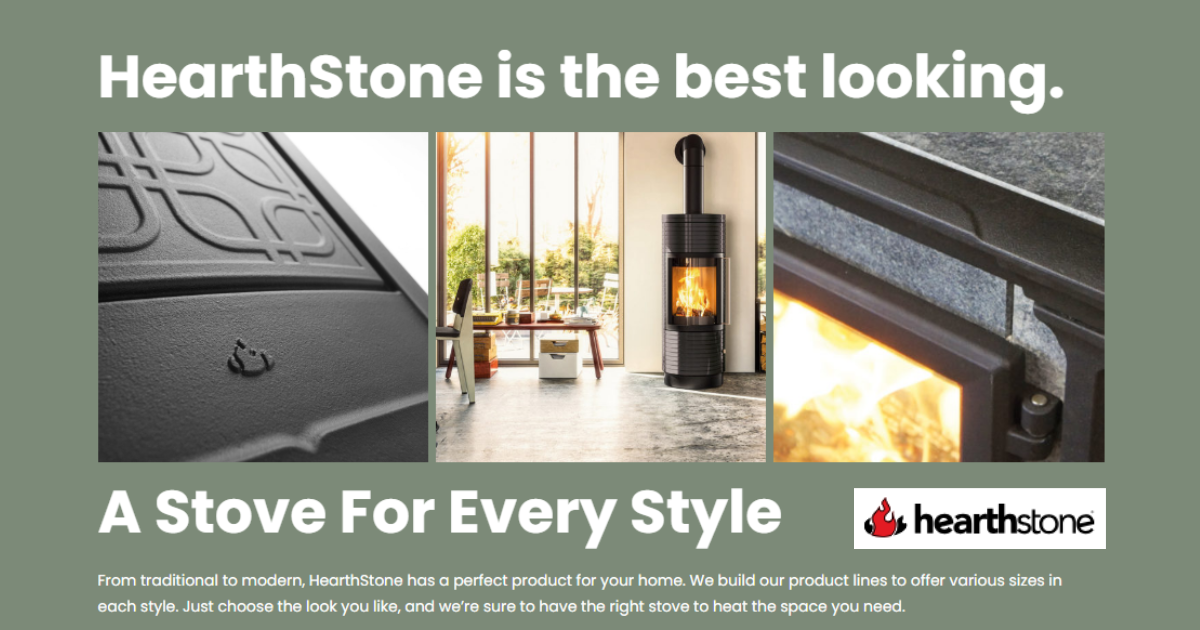
A Dealer's Guide to HearthStone Fireplaces
Ask anyone who's lived with a soapstone stove and they'll tell you the heat is different — steady, gentle, and still coming hours after the fire burns down. Here's a dealer's guide to HearthStone, the Vermont brand behind it: its story since 1978, soapstone and TruHybrid explained, the full lineup, and which model fits your home.
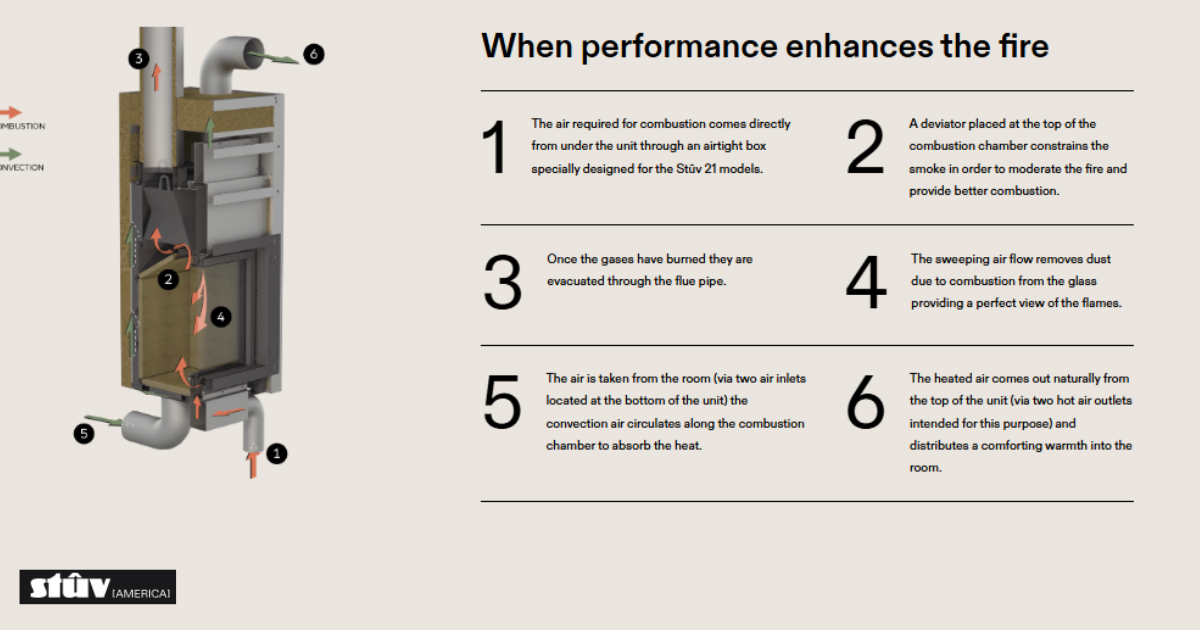
A Dealer's Guide to Stûv Fireplaces
Most wood stoves look like wood stoves. Stûv doesn't — a cylinder that rotates toward the couch, a wall of fire you can open like a window. Here's a dealer's guide to the Belgian-designed, Québec-built brand: its story, what sets it apart, the full lineup, and which model fits your home.