

Lincoln Wood Stove
Overview
The Lincoln was designed to be simple to use, easy to maintain, and sized for small living spaces. Designed as a traditional ‘log burner’, the Lincoln burns full size cord wood (we recommend 16"), but fits in tight spaces. It’s perfect for cabins, accessory dwelling units, or smaller rooms within you home. Optional heat shields can be added to either side and the back of the stove so it can be tucked tightly into corners taking up less space. The square plate on the top of the stove is finished with our food grade enamel, so it’s easy to heat things up and clean up any spills. The catalyst slides back to engage once the fire is hot. The slide system helps you remember to engage the catalyst for a clean burn. And, with the cook plate removed, you have easy access to check and clean the system.
Quick Specs
- BTUs: Up to 23,000 Output
- Heating Capacity: Up to 575 sq ft
- Material: Cast Iron w/ Soapstone
| BTU | Up to 23,000 Output |
|---|---|
| Width | 13-9/10 in. |
| Height | 25-2/5 in. |
| Depth | 24-2/5 in. |
| Weight | 195 lbs. |
| Material | Cast Iron w/ Soapstone |
| Heating Capacity | Up to 575 sq ft. |
| Burn Time | 9.5 hrs. |
| Firebox Capacity | 1.0 cu ft. |
| Log Length | Up to 18 in. |
| Efficiency | 78.5% |
| Emissions | 1.14 g/hr. |
| EPA Certified | Yes |
Hearth Blog Posts

Can You Put a TV Above a Fireplace? Clearances, Mantels & Heat Management
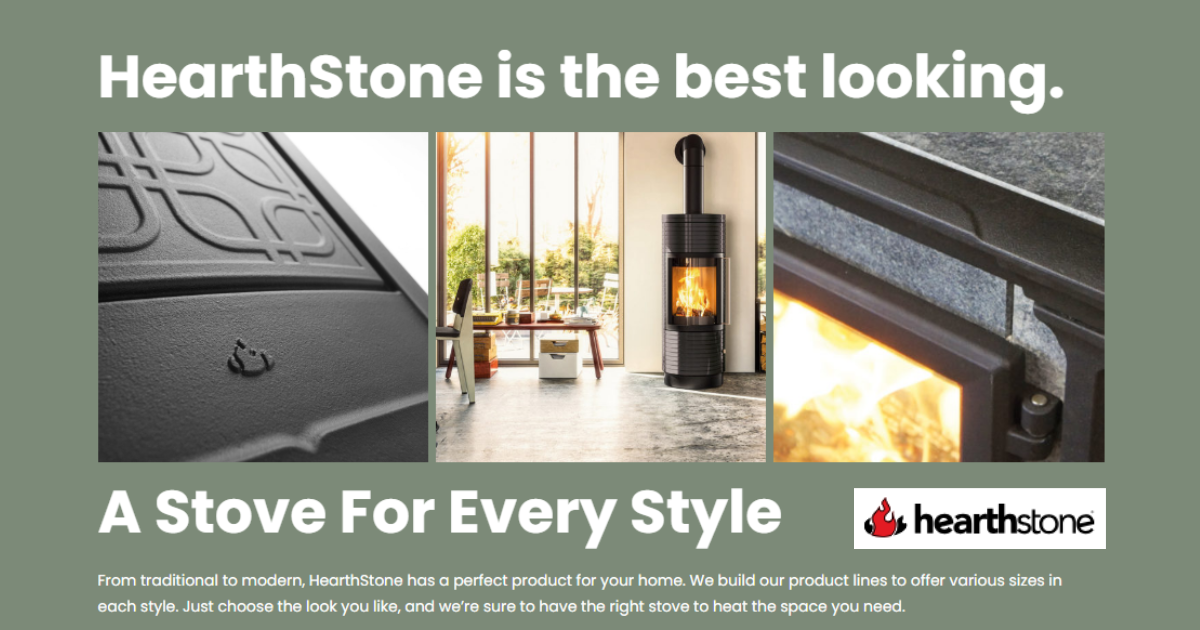
A Dealer's Guide to HearthStone Fireplaces
Ask anyone who's lived with a soapstone stove and they'll tell you the heat is different — steady, gentle, and still coming hours after the fire burns down. Here's a dealer's guide to HearthStone, the Vermont brand behind it: its story since 1978, soapstone and TruHybrid explained, the full lineup, and which model fits your home.
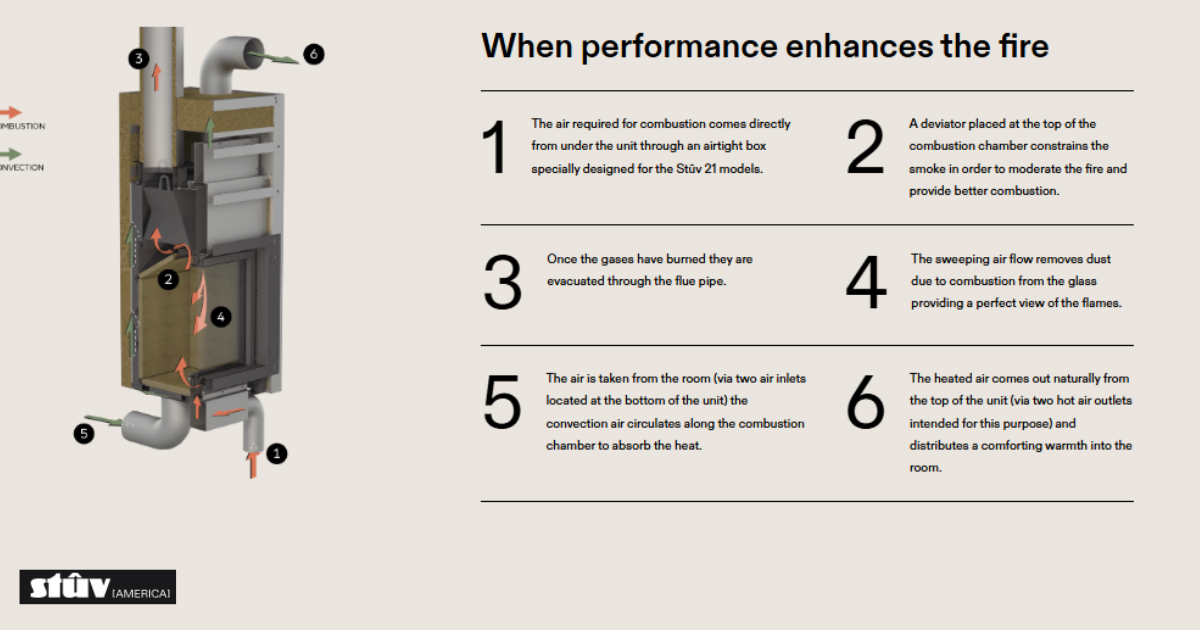
A Dealer's Guide to Stûv Fireplaces
Most wood stoves look like wood stoves. Stûv doesn't — a cylinder that rotates toward the couch, a wall of fire you can open like a window. Here's a dealer's guide to the Belgian-designed, Québec-built brand: its story, what sets it apart, the full lineup, and which model fits your home.