


Classic Bay 1200 Pellet Stove
Overview
The powerful Classic Bay 1200 is one of the most proven and advanced heating appliances available. These large pellet stoves feature patented pellet burn technology, a revolutionary ignition system, and hassle-free cleaning deliver ultimate convenience.
Quick Specs
- BTUs: Up to 51,600 Input
- Heating Capacity: Up to 2,700 sq ft
- Material: Cast Iron
| BTU | 15,900 - 41,100 Input |
|---|---|
| Width | 28-1/2 in. |
| Height | 31-5/8 in. |
| Depth | 27-5/8 in. |
| Weight | 349 lbs. |
| Material | Cast Iron |
| Heating Capacity | 1,000 - 2,700 sq ft. |
| Hopper Capacity | 80 lbs. |
| Viewing Area | 153 sq in. |
| Glass Type | Ceramic |
| Efficiency | LHV 78%, HHV 73% |
| Emissions | 1.1 g/hr. |
| EPA Certified | Yes |
Hearth Blog Posts

Can You Put a TV Above a Fireplace? Clearances, Mantels & Heat Management
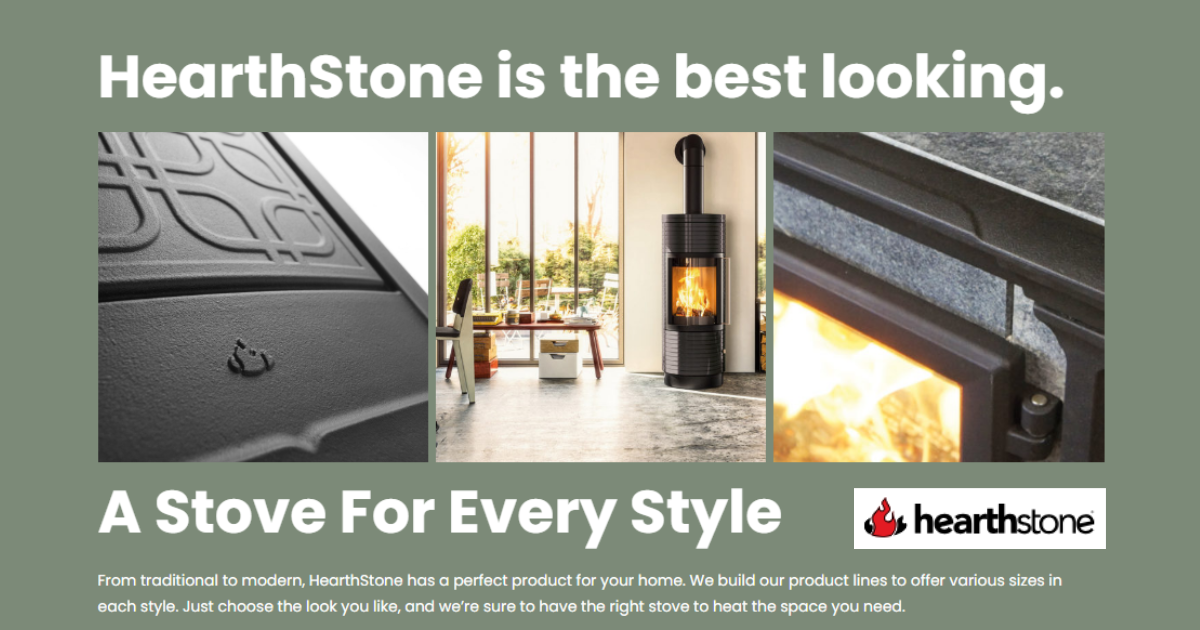
A Dealer's Guide to HearthStone Fireplaces
Ask anyone who's lived with a soapstone stove and they'll tell you the heat is different — steady, gentle, and still coming hours after the fire burns down. Here's a dealer's guide to HearthStone, the Vermont brand behind it: its story since 1978, soapstone and TruHybrid explained, the full lineup, and which model fits your home.
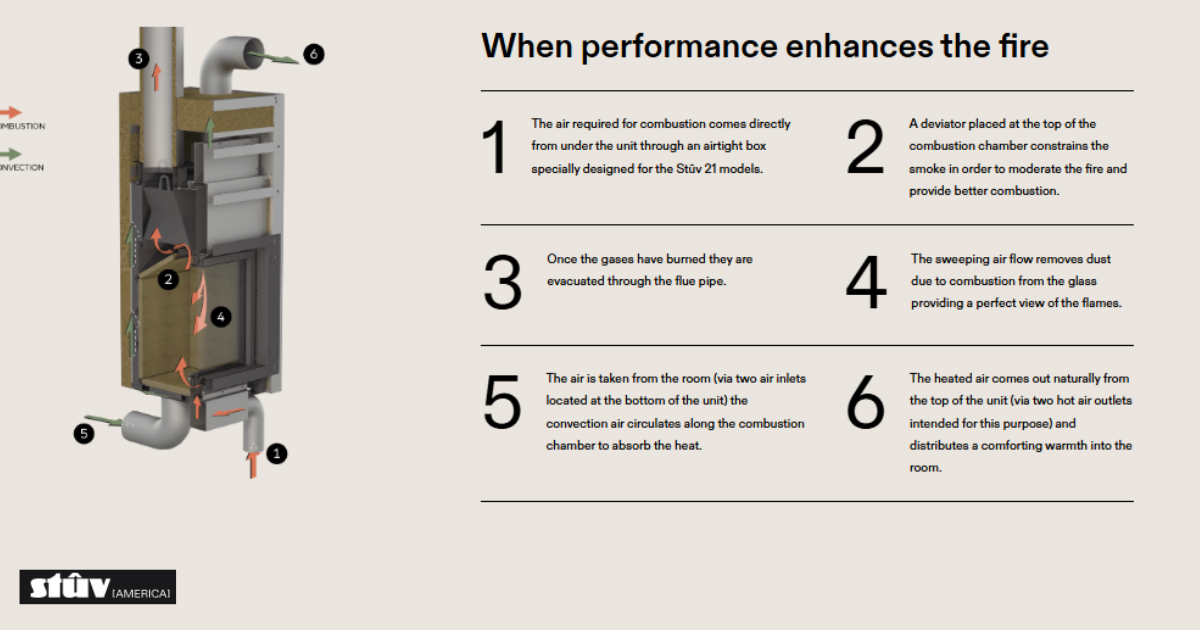
A Dealer's Guide to Stûv Fireplaces
Most wood stoves look like wood stoves. Stûv doesn't — a cylinder that rotates toward the couch, a wall of fire you can open like a window. Here's a dealer's guide to the Belgian-designed, Québec-built brand: its story, what sets it apart, the full lineup, and which model fits your home.