


3100 Millennium Wood Stove
Overview
The 3100 Millennium long-burning wood stove delivers powerful everyday performance and clean burns. Automatic Combustion Control (ACC) increases efficiency and offers advanced heating control unlike any other heating appliance. Rugged construction upholds the Quadra-Fire Tradition of Excellence – experience it today.
Quick Specs
- BTUs: Up to 51,000 Output
- Heating Capacity: Up to 2,600 sq ft
- Material: Steel
| BTU | Up to 51,000 Output |
|---|---|
| Width | 25-1/2 in. |
| Height | 29-1/2 in. |
| Depth | 26-5/8 in. |
| Weight | 285 lbs. |
| Material | Steel |
| Heating Capacity | 1,000 - 2,600 sq ft. |
| Burn Time | 10 hrs. |
| Firebox Capacity | 2 cu ft. |
| Recommended Log Length | 16 in. |
| Viewing Area | 165 sq in. |
| Glass Type | Ceramic |
| Efficiency | LHV 78%, HHV 73% |
| Emissions | 1.9 g/hr. |
| EPA Certified | Yes |
Hearth Blog Posts

Can You Put a TV Above a Fireplace? Clearances, Mantels & Heat Management
A Dealer's Guide to HearthStone Fireplaces
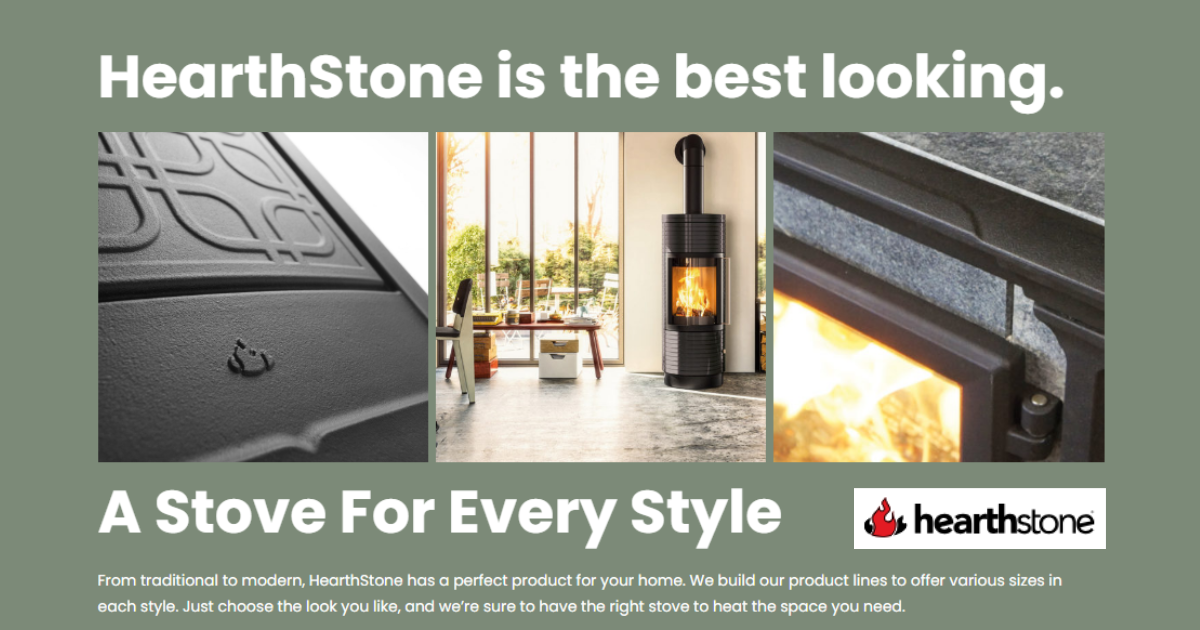
Ask anyone who's lived with a soapstone stove and they'll tell you the heat is different — steady, gentle, and still coming hours after the fire burns down. Here's a dealer's guide to HearthStone, the Vermont brand behind it: its story since 1978, soapstone and TruHybrid explained, the full lineup, and which model fits your home.
A Dealer's Guide to Stûv Fireplaces
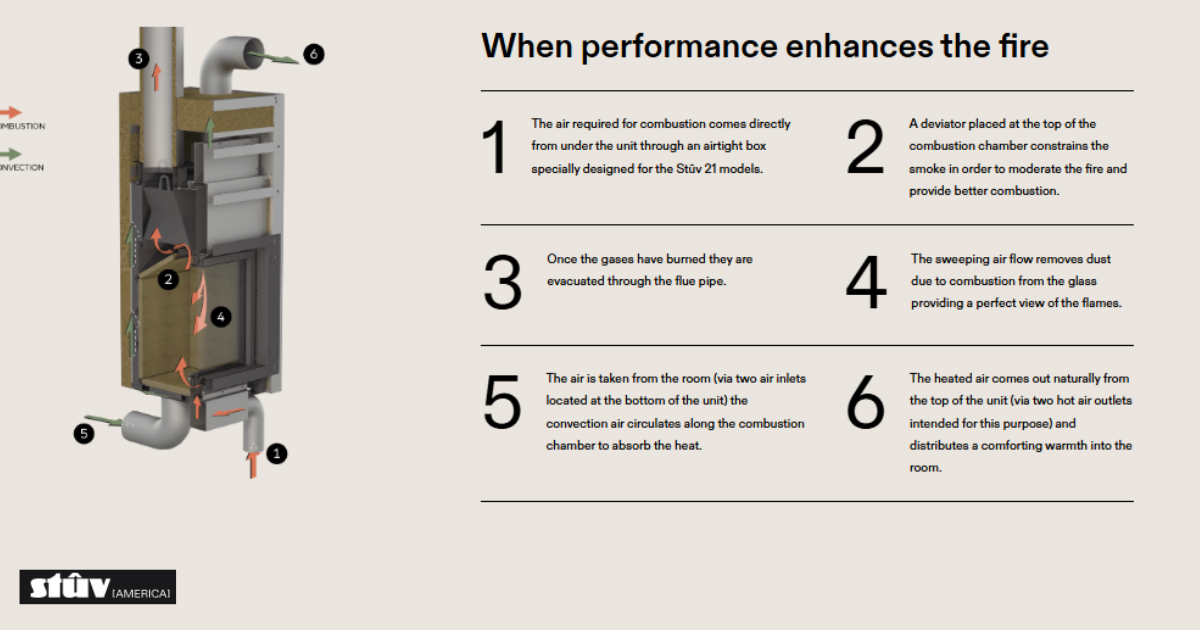
Most wood stoves look like wood stoves. Stûv doesn't — a cylinder that rotates toward the couch, a wall of fire you can open like a window. Here's a dealer's guide to the Belgian-designed, Québec-built brand: its story, what sets it apart, the full lineup, and which model fits your home.