


Finnleo NorthStar 46 Outdoor Sauna
Finnleo NorthStar 46 Outdoor Sauna
Overview
Only 24' square feet of surface area needed for this NorthStar outdoor sauna. This ready to order and install sauna is authentically Finnish and ready to welcome you in.
Features
- In-Backrest LED Lighting
- Color Therapy System
Technical
- Dimensions: 72"W x 48"D x 84"H
- Seats: 3 Person
- Electrical: 240 V
Construction
- Exterior Material: Nordic White Spruce
- Interior Material: Nordic White Spruce
Performance
- Heater Model: Designer SL2 4.5 kW
- Lighting Type: In-Backrest LED
- Control Type: SL2-WiFi
Brand
Finnleo
Finnleo NorthStar Outdoor Series FAQs
What sizes are available?
NorthStar Outdoor Saunas are available in 4' x 6', 5' x 6', and 5' x 7' sizes.
How many people can they seat?
Depending on the model, NorthStar saunas accommodate two to five people.
What type of wood is used?
The interior and exterior feature Nordic White Spruce with light-wood benches and backrests.
Is the sauna heater included?
Yes, every NorthStar sauna includes a Finnleo Designer-SL2 heater.
Can the sauna be controlled remotely?
Yes, SaunaLogic2® Wi-Fi control is included for convenient remote operation.
What lighting is included?
Integrated RGBW LED lighting is built into the backrests.
Is the sauna designed for outdoor installation?
Yes, it includes a waterproof vinyl floor and metal roof kit.
Can NorthStar saunas be customized?
No, each model is thoughtfully preconfigured to simplify ordering and installation.
What makes the 5' x 7' model different?
The largest model seats five and includes an L-shaped bench and additional window.
What electrical service is required?
NorthStar models require 240V service; confirm installation requirements with a qualified electrician.
Sauna Safety Tips
Saunas can be a relaxing and beneficial part of a wellness routine, but it is important to use them safely. Start with shorter sessions, especially if you are new to sauna use, and limit most sessions to about 15–20 minutes. Drink plenty of water before and after using the sauna, and avoid alcohol before, during, or immediately after your session, since heat and sweating can increase the risk of dehydration or dizziness. Always cool down gradually after exiting the sauna, and leave right away if you feel lightheaded, nauseous, weak, or uncomfortable. People who are pregnant, have heart conditions, low or high blood pressure, or other medical concerns should speak with a healthcare provider before using a sauna.
Sauna Blog Posts
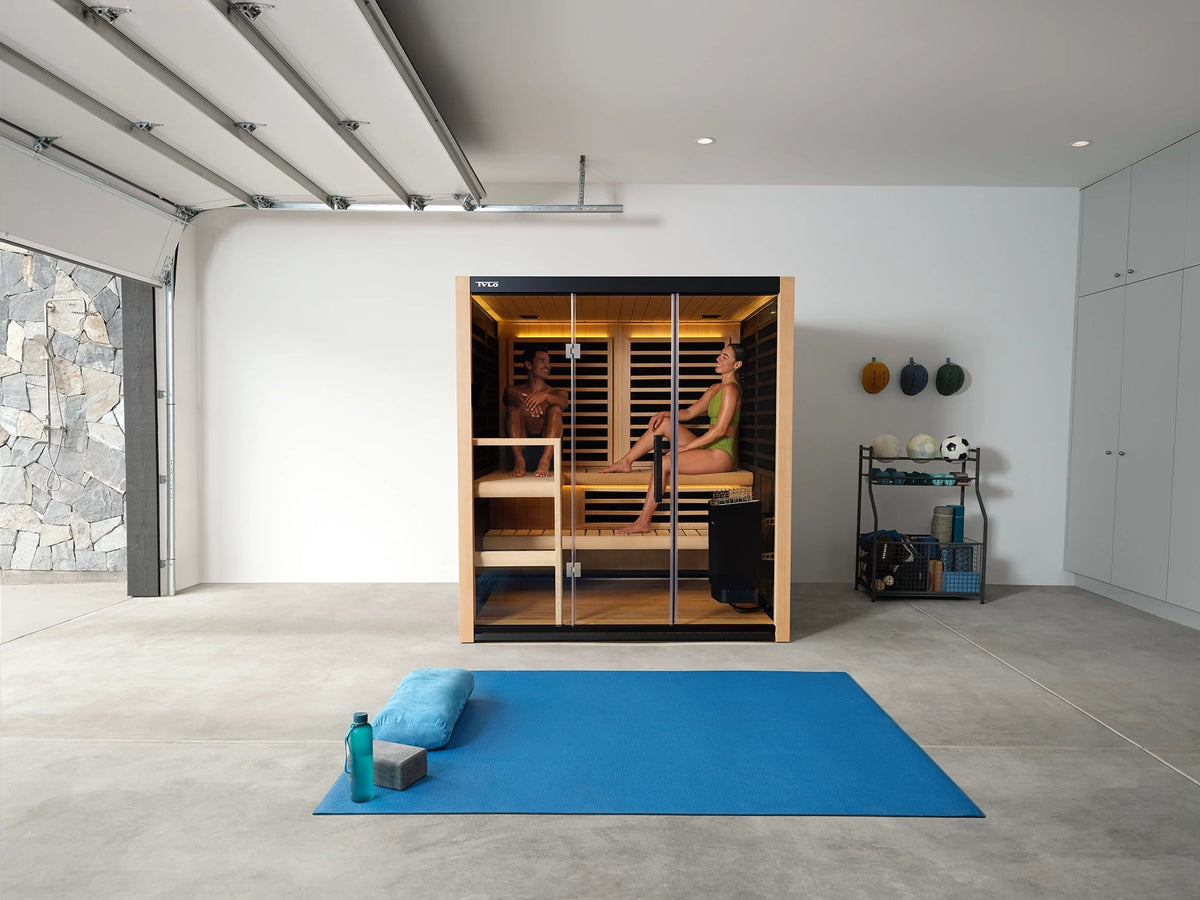
How Much Does a Home Sauna Cost in Idaho?
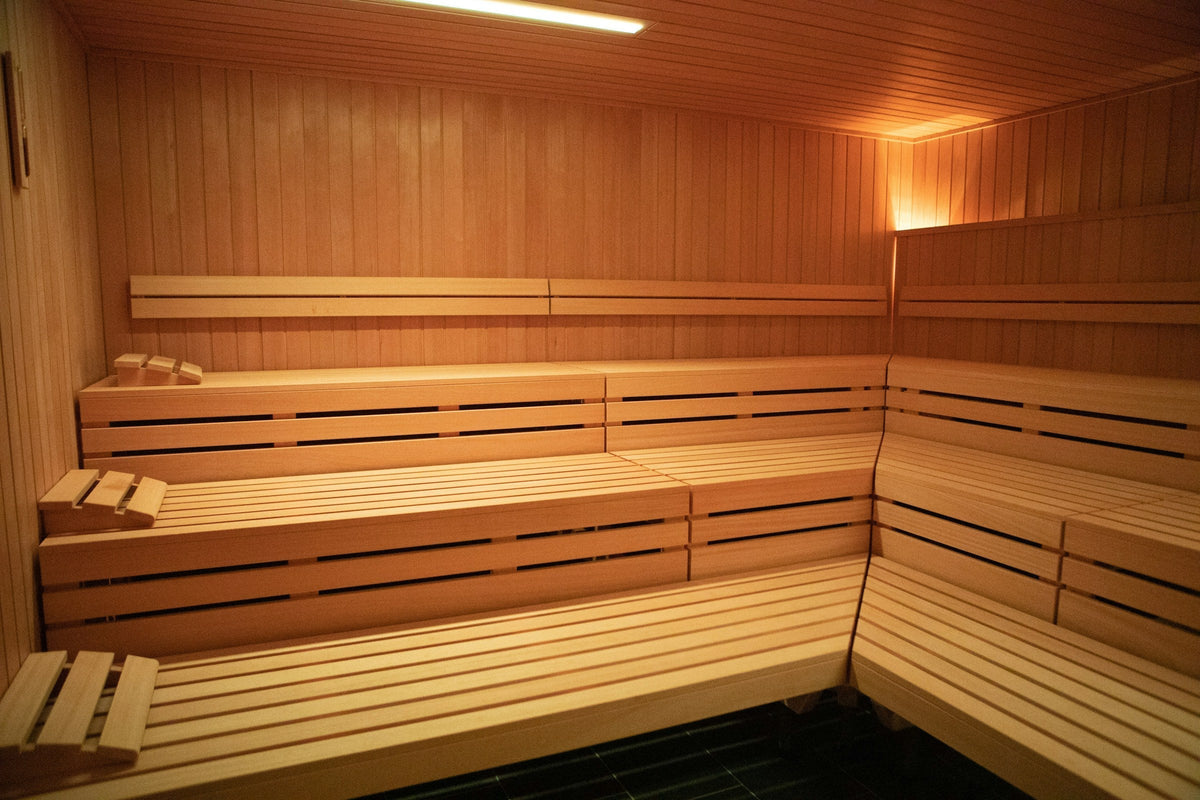
Home Sauna Installation Guide for Idaho
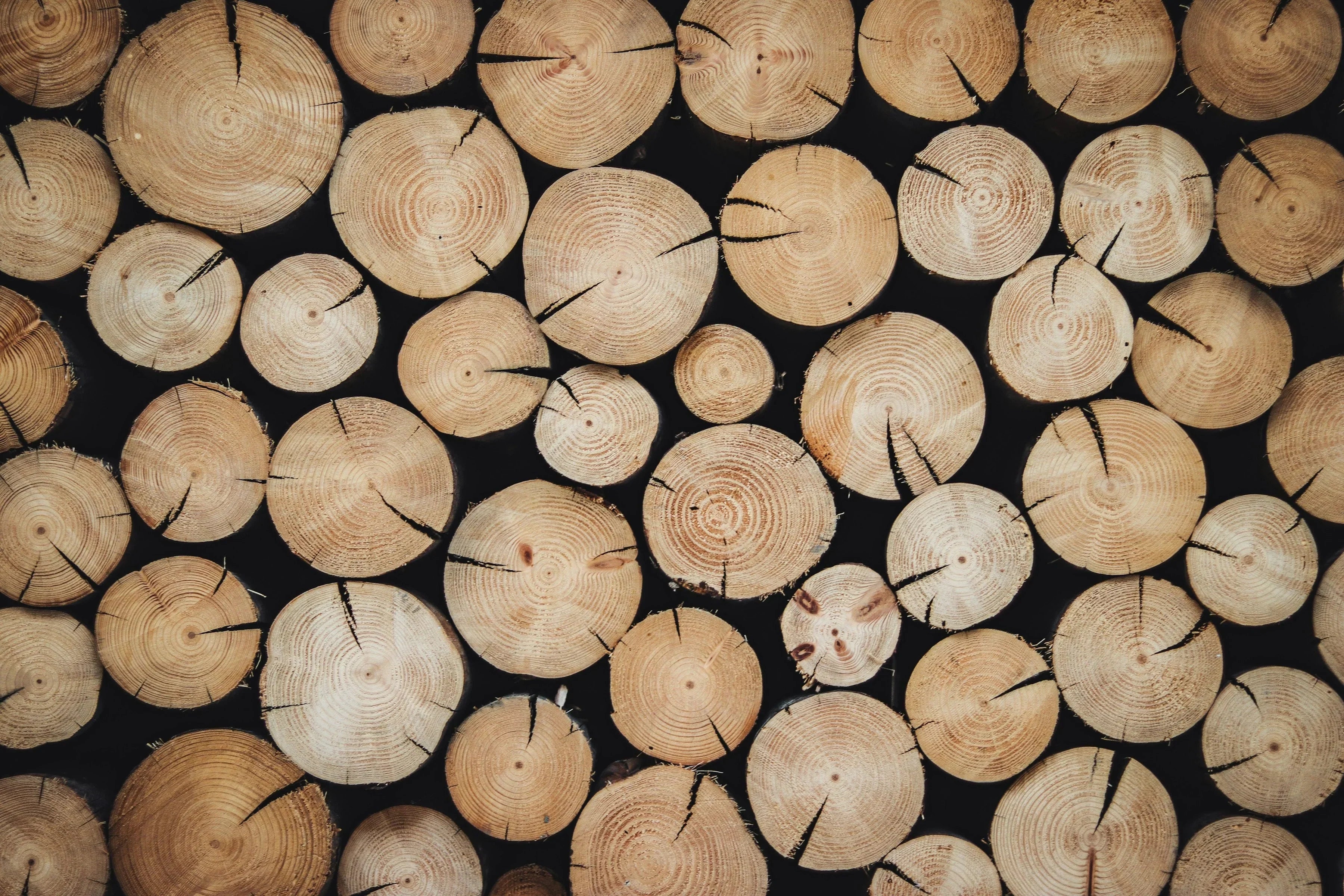
Which Wood Is Best for Indoor vs. Outdoor Saunas?
Idaho's combination of sub-zero winters, intense summer sun, and constant freeze-thaw cycling makes choosing the right sauna wood critical — especially for outdoor installations. This guide compares 10 wood species including western red cedar, Canadian hemlock, Nordic spruce, thermo hemlock, thermo pine, thermo aspen, Japanese cedar, and Hinoki. We explain what each wood handles well, where it falls short, and give specific recommendations for indoor and outdoor saunas in Idaho's climate — including which woods to avoid and how to maintain them for 20–30+ years of use.