
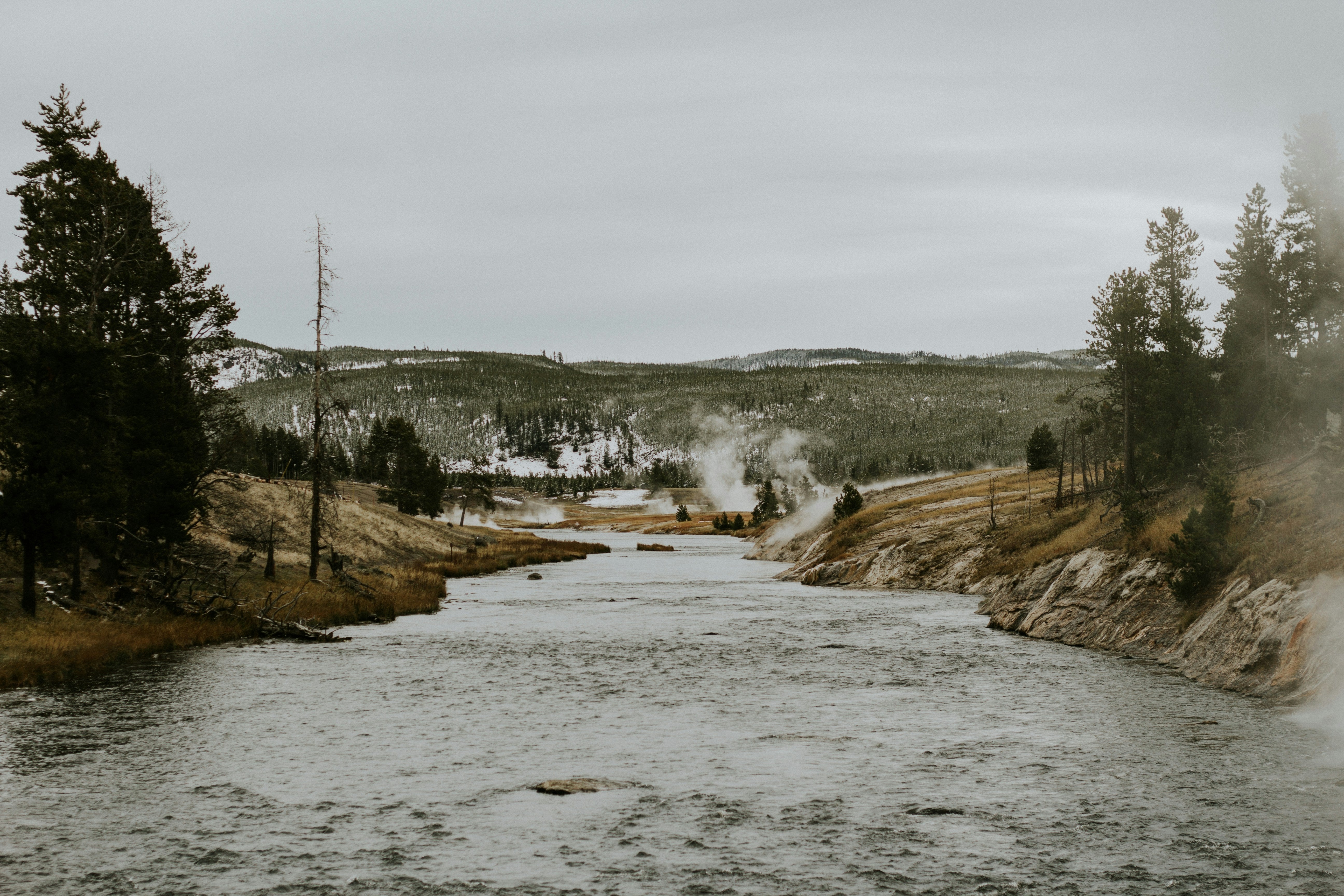
Sun Valley & Wood River Valley Hot Tub Owner's Guide
What Mountain Resort Homeowners in the Wood River Valley and Teton Valley Need to Know About Buying, Installing, and Maintaining a Hot Tub at Elevation
Owning a hot tub in Sun Valley or Jackson Hole isn’t like owning one in Boise or Twin Falls. The elevation is higher. The winters are longer and colder. The snow is heavier. Many homes sit vacant for weeks or months at a time. Power outages are more frequent and can last longer. Service technicians may be an hour or more away. And the water—mountain well water from the Wood River Valley aquifer or the Teton Valley—has its own mineral profile that affects your water care strategy.
These are two of the most beautiful places in the Mountain West to soak under the stars—but they’re also two of the most demanding environments for a hot tub. If you’re a full-time resident, a seasonal homeowner, or a property manager overseeing a vacation rental, this guide will help you understand what makes mountain resort hot tub ownership different and how to get it right.
At Leisure Time Inc., we’ve been delivering, installing, and servicing hot tubs in the Sun Valley/Ketchum/Hailey corridor and the greater eastern Idaho region for years. Our Twin Falls and Idaho Falls showrooms are the closest authorized dealers for Hot Spring, Sundance, Caldera, and American Whirlpool serving these mountain communities.
The Mountain Climate Challenge: Sun Valley vs. Jackson Hole
| Sun Valley / Ketchum | Jackson Hole | |
|---|---|---|
| Elevation | 5,750 ft | 6,200 ft |
| Average January high | 27°F | 29°F |
| Average January low | 8°F | 5°F |
| Record low | -38°F (nearby Stanley) | -50°F (nearby areas) |
| Annual snowfall | ~150 inches | ~400+ inches (resort) |
| Average humidity | 25–30% | Low (mountain desert) |
| Power outage risk | Moderate (mountain storms) | Moderate–High (remote, heavy snow) |
| Seasonal/vacation homes | ~75% of housing units (Sun Valley) | Very high (resort market) |
| Water source | Wood River Valley aquifer (well) | Teton Valley aquifer (well/municipal) |
| Nearest LTI showroom | Twin Falls (~80 mi) | Idaho Falls (~90 mi) |
Both locations share the same core challenges: extreme cold at elevation, heavy snowfall, very dry air, remote service access, and a high percentage of seasonal-use homes. But they amplify every consideration that already applies to hot tub ownership in lower-elevation Idaho—insulation matters more, covers take more abuse, freeze protection is more critical, and water care requires more attention.
What High Elevation Actually Does to Your Hot Tub
Elevation affects hot tub ownership in ways most buyers don’t expect:
- Lower atmospheric pressure: At 5,750–6,200 feet, water boils at approximately 200–202°F instead of 212°F. While your hot tub runs well below boiling, the reduced air pressure accelerates evaporation from the water surface. You’ll lose water faster, especially in Sun Valley’s 25–30% humidity. Top off water levels more frequently than you would at lower elevations.
- Faster heat loss: Thinner mountain air provides less insulation around the spa. Combined with the extreme temperature differential between 104°F water and sub-zero air, your heater works harder and your cover’s seal becomes even more critical. A poorly fitting cover at 6,000 feet in January is an energy disaster.
- Increased UV exposure: Higher elevation means less atmospheric filtering of UV radiation. Sun Valley and Jackson Hole get intense sun—especially reflecting off snow. Covers, cabinet surfaces, and acrylic shells degrade faster without UV protection. Expect to replace covers every 3–4 years rather than 4–5.
- Chemical behavior: Higher evaporation rates concentrate dissolved minerals and chemicals faster. pH can drift more quickly. Test strips and water chemistry may need attention more frequently than at lower elevations. The FreshWater Salt System helps by automatically adjusting chlorine output, but pH still requires manual monitoring.
- Snow load on covers: 150 inches in Sun Valley. 400+ inches in Jackson Hole. That’s serious weight on your cover—especially during multi-day storms. Heavy snow compresses foam, breaks locking straps, and can collapse a cover into the water.
Invest in a cover lifter with a gas-assist mechanism. At elevation, you’re dealing with heavy snow, frozen condensation on the cover surface, and the physical challenge of lifting a 60–80 lb cover in ski gear and boots. A quality cover lifter makes opening and closing your spa a one-person, 10-second operation—which means you’ll actually close it promptly after every soak instead of leaving it cracked open while you towel off.
The Seasonal Home Challenge: When Your Spa Sits Empty
This is the single biggest difference between mountain resort and year-round ownership. In Sun Valley, approximately 75% of housing units are seasonal or occasional use. Many Jackson Hole properties are occupied only during ski season and summer, with the shoulder months (April–May, October–November) largely vacant.
An unoccupied home with a hot tub in January creates a high-risk scenario. Here’s what you need to plan for:
Option 1: Keep It Running (Recommended)
The safest approach is to leave the spa powered on, heated, and circulating—even when you’re away. A well-insulated spa with the cover sealed will maintain itself with minimal cost:
- Electricity cost while away: roughly the same as when you’re home ($25–45/month depending on insulation and temperature)—you’re just not using the jets
- The circulation pump keeps water moving through the plumbing, preventing freeze and maintaining water chemistry
- The FreshWater Salt System continues generating sanitizer automatically—no one needs to add chemicals while you’re gone
- SmartTub app (available on Hot Spring Limelight/Highlife, Caldera, and Sundance) lets you monitor temperature, get alerts, and verify the spa is running from anywhere
Option 2: Professional Winterization
If the home will be completely without power for an extended period (e.g., you shut off the main breaker for the season), the spa must be professionally winterized:
- Drain all water from the spa, plumbing, pumps, and heater
- Blow out all plumbing lines with compressed air to remove residual water
- Remove and store filters
- Add non-toxic RV antifreeze to any low points in the plumbing as a safety margin
- Secure the cover tightly
This is not a DIY job in mountain conditions. Residual water left in a jet fitting, a pump housing, or a heater barrel will freeze, expand, and crack the component. The repair bill for frozen-cracked plumbing can reach $1,000–$3,000+. Leisure Time Inc. offers professional winterization service for Sun Valley and Jackson Hole area clients.
Option 3: Property Manager Monitoring
Many Sun Valley and Jackson Hole homeowners use a local property manager who checks the house weekly or biweekly. If the spa stays running, the property manager can:
- Verify the spa is on, heated, and circulating
- Check water level and top off if needed (evaporation is significant at elevation)
- Confirm the cover is secured and clear of excess snow
- Test water chemistry and make basic adjustments
We provide laminated water care quick-reference cards for property managers who maintain spas on behalf of absentee owners. If the manager encounters an issue beyond basic care, they contact us and we schedule a service visit.
Hot Spring, Caldera, and Sundance spas with SmartTub connectivity let you monitor your spa from your phone—anywhere in the world. You can check water temperature, receive alerts if the temperature drops unexpectedly (potential heater or power issue), and verify the system is running normally. For seasonal homeowners in Sun Valley and Jackson Hole, this feature alone is worth the investment. You’ll know about a problem the moment it starts—not weeks later when you arrive to find frozen pipes.
What to Buy: Mountain Resort Spa Recommendations
For Sun Valley and Jackson Hole conditions, we recommend spas with these non-negotiable features:
- Full-cavity insulation: Multi-density full-foam (Hot Spring Highlife) or FiberCor (Hot Spring Limelight/Hot Spot, Caldera) or Northern Exposure 3-layer (American Whirlpool). No exceptions at elevation.
- 24/7 circulation pump: The SilentFlo 5000 (Hot Spring, Caldera) or equivalent keeps water moving continuously—critical for freeze prevention when temperatures drop to single digits and below.
- FreshWater Salt System or CLEARRAY: For seasonal homes, automatic sanitization is essential. The Salt System generates chlorine without human intervention. CLEARRAY (Sundance) treats pathogens continuously with UV-C + ozone. Either system keeps water healthy during weeks of no owner interaction.
- SmartTub connectivity: Remote monitoring for seasonal/absentee owners. Non-negotiable at this level of investment and risk.
- Heavy-duty cover with locking straps: Must handle 150–400+ inches of annual snowfall. Tapered foam for runoff. Vapor barrier to prevent waterlogging. UV-resistant vinyl for intense mountain sun.
- Weather-resistant cabinet: Polymer, DuraMAAX, or SyntheticWood. No real wood cabinetry—it won’t survive the freeze-thaw and UV at these elevations.
Our Top Picks for Mountain Resort Homes
| Priority | Model / Brand | Why | Price Tier |
|---|---|---|---|
| Best for seasonal homes | Hot Spring Highlife (Envoy, Grandee) | IQ smart monitoring, Salt System, best insulation, SilentFlo 5000, SmartTub app | Premium ($15K–$20K+) |
| Best structural durability | American Whirlpool 400 Series | Lifetime steel frame, Northern Exposure 3-layer insulation, built for extreme cold | Premium ($14K–$18K+) |
| Best built-in sanitization | Sundance 880/980 Series | CLEARRAY UV-C standard, SunStrong steel frame, SmartTub app | Mid–Premium ($12K–$18K+) |
| Best value for mountain use | Caldera Paradise Series | FiberCor, Salt System compatible, SilentFlo 5000, SmartTub app | Mid ($9K–$14K) |
Installation Considerations at Elevation
Foundation
Mountain homes often have unique siting challenges: sloped lots, elevated decks, limited access from narrow mountain roads, and soil conditions that range from rocky to clay-heavy depending on the valley. Your foundation must account for:
- Frost depth: In Sun Valley and Jackson Hole, frost penetrates 36–48 inches deep. A concrete pad should be poured below frost line or on properly compacted gravel that allows drainage without frost heaving. A pad that heaves in spring can shift the spa, stress the shell, and crack plumbing.
- Drainage: Mountain snowmelt generates significant water flow in spring. Your pad must drain away from the spa—and away from the house foundation. Standing water around the base accelerates freeze damage and promotes mold and insect issues.
- Deck installations: Many mountain homes have elevated decks with views. A filled 6-person spa at 5,000+ lbs requires structural engineering. Mountain decks often use different engineering than valley construction due to snow load requirements. Always consult a licensed structural engineer before placing a hot tub on any elevated mountain deck.
Delivery Access
Mountain properties frequently present access challenges: winding driveways, narrow gates, steep grades, snow-covered paths in winter, and limited staging areas. Crane delivery is common in both Sun Valley and Jackson Hole—and sometimes it’s the only option. Plan delivery during summer or early fall when access is easiest and landscaping is complete.
Electrical
240V/50-amp dedicated circuit, same as any full-size hot tub. Use a licensed local electrician familiar with mountain building codes. Both Blaine County (Sun Valley) and Teton County (Jackson Hole) have specific electrical and building permit requirements. Your electrician handles the permit process.
Wind Protection
Both valleys experience significant wind—especially during winter storm cycles. Position the spa with a windbreak (building wall, solid fence, evergreen landscaping) on the prevailing wind side. In the Wood River Valley, prevailing winds generally come from the south and southwest. In Jackson Hole, wind patterns vary by location within the valley but can be fierce during storm fronts.
Mountain Water: What to Know
Both Sun Valley and Jackson Hole draw from mountain aquifers that produce generally clean, cold water—but with characteristics that affect hot tub chemistry:
- Calcium and hardness: Mountain well water in the Wood River Valley and Teton Valley can range from soft to moderately hard depending on the specific well depth and location. Test before your first fill. High calcium causes scaling on heater elements, jets, and shell surfaces.
- Iron and manganese: Some wells in both areas produce water with elevated iron or manganese. These metals oxidize when exposed to sanitizer, causing staining and discoloration. A hose-mounted pre-filter at every fill is essential.
- pH variability: Mountain water pH can range significantly. Test immediately after filling and adjust before activating the sanitization system—especially the FreshWater Salt System, which requires pH 7.2–7.8 for the titanium cartridge to function properly.
- Altitude evaporation: You’ll lose water to evaporation 20–40% faster than at lower elevations, especially in Sun Valley’s 25–30% humidity. This concentrates dissolved minerals, raising calcium hardness and TDS faster. Plan to top off water weekly and drain-and-refill on schedule (or sooner if TDS climbs).
Bring a water sample from your Sun Valley or Jackson Hole property to our Twin Falls or Idaho Falls showroom before your first fill. We’ll test for metals, calcium, pH, alkalinity, and TDS—and create a personalized startup chemical kit for your specific water. Mountain water varies significantly from well to well, and a generic startup procedure may not work for your source.
Year-Round Maintenance Calendar for Mountain Homes
Winter (November–March)
- Clear snow from cover after every storm. Don’t let it accumulate—150–400+ inches of annual snowfall means real weight.
- Check water level weekly (evaporation + dry mountain air). Top off as needed.
- Test water chemistry weekly. Adjust pH and sanitizer. Salt System handles chlorine automatically; you manage pH and alkalinity.
- Keep cover sealed at all times when not soaking. A cover lifter makes this quick and easy.
- If leaving for more than 2 weeks: confirm SmartTub monitoring is active, ensure property manager has our emergency contact number, and consider lowering temperature slightly (100–101°F) to reduce operating cost.
Spring (April–May)
- Inspect cover for winter damage: waterlogging, torn vinyl, cracked hinges, worn straps. Replace if needed—spring is the best time to order.
- Drain, flush plumbing lines, clean shell, and refill. This is your annual deep clean if using the FreshWater Salt System (or quarterly if using traditional chemicals).
- Inspect cabinet and base for any freeze-thaw damage.
- Schedule a dealer inspection if you notice any performance issues from the winter season.
Summer (June–September)
- Lower temperature to 100–102°F for summer use. Lower temps save energy and are more comfortable in warmer weather.
- Monitor water level—summer evaporation at elevation is aggressive even with the cover on.
- Apply UV protectant to the cover if it’s showing signs of sun damage.
- This is the best time for any repairs, service, or upgrades—access is easiest and technician schedules are more flexible.
Fall (October–November)
- Raise temperature back to 102–104°F as nights get cold.
- Drain and refill if on a quarterly schedule, or check Salt System cartridge and replace if due.
- Inspect cover seal, straps, and cover lifter before heavy snow season.
- If winterizing: schedule professional winterization service with Leisure Time Inc. before first hard freeze (typically late October in Sun Valley, early November in Jackson Hole).
Vacation Rental Considerations
Many Sun Valley and Jackson Hole properties operate as vacation rentals—and a hot tub is one of the highest-value amenities for rental income. But rental use creates additional demands:
- Higher bather load: Rental guests use the tub more aggressively than owners—often every night, with large groups. This increases sanitizer demand, filter load, and the rate at which TDS accumulates.
- Inconsistent care between renters: Guests don’t test the water or adjust chemicals. You need a water care system that runs itself—the FreshWater Salt System is ideal for this because it generates sanitizer automatically regardless of whether anyone is monitoring it.
- Turnover cleaning: Between rentals, test water, add shock, check sanitizer levels, wipe the waterline, ensure the cover is secured, and confirm the system is operating. This adds 15–20 minutes to each turnover.
- Liability: Ensure proper signage (“No lifeguard on duty,” “Children must be supervised,” temperature warnings). Verify your cover locks securely. Confirm your homeowner’s or rental insurance covers hot tub liability.
- Faster drain cycles: With heavy rental use, plan to drain and refill every 2–3 months—even with the Salt System. The higher bather load accelerates TDS buildup.
Frequently Asked Questions
Can I use my hot tub in Sun Valley or Jackson Hole in January?
Absolutely—and it’s the best soaking of the year. Sitting in 104°F water while snow falls silently around you and the sky is full of stars is the defining luxury of mountain living. The key is a well-insulated spa with a quality cover. The temperature differential is extreme (100–110°F+ between water and air), but our brands are built for it.
What happens to my hot tub if I lose power during a blizzard?
A fully insulated spa with the cover sealed will hold temperature for 12–24+ hours even in sub-zero conditions. Keep the cover closed. Add blankets on top if you have them. Do not drain the spa during a freeze. If the outage extends beyond 24 hours, contact us or a licensed technician. A portable generator capable of handling 240V/50A is a worthwhile investment for mountain homes—not just for the spa, but for the whole house.
How do I maintain my spa when I’m not at my mountain home?
Three options: (1) Leave it running with the FreshWater Salt System handling water care and SmartTub monitoring from your phone. (2) Have a property manager check it weekly. (3) Professionally winterize it if the home will be without power. Option 1 is what we recommend for most seasonal owners.
Is the service drive from Twin Falls or Idaho Falls worth it?
Yes. We service Sun Valley from our Twin Falls location (~80 miles) and Jackson Hole from our Idaho Falls location (~90 miles). We schedule mountain service visits regularly and combine trips when possible. For warranty work, parts, and technical support, having an authorized dealer relationship is far better than buying from a distant retailer with no local service capability.
Does altitude affect how my spa runs?
Not significantly in terms of mechanical performance—your heater, pumps, and jets operate the same at 6,000 feet as at sea level. The main effects are faster evaporation (check water levels more frequently), slightly different chemical behavior (test more often), and increased cover wear from UV and snow. Full insulation matters more at elevation because the thinner air provides less natural insulation around the cabinet.
Should I get a swim spa for my mountain home?
Swim spas (Endless Pools) are fantastic for mountain properties—year-round exercise without a pool. However, the installation requirements are significantly greater: engineered concrete pad (6+ inches with rebar), crane delivery in almost all mountain locations, 12,000–23,000+ lbs filled weight, and higher operating costs. Contact us for a site assessment before committing.
At Leisure Time Inc., we understand mountain living because we’ve been serving mountain homeowners across Idaho for years. We carry Hot Spring, Sundance, Caldera, and American Whirlpool—brands that are genuinely built for the conditions you’ll face at 5,750–6,200 feet. We’ll help you choose the right spa, coordinate crane delivery if needed, set up your water care for your specific mountain water source, and provide ongoing service and support—even when that means driving over the pass.
Mountain living deserves a mountain-ready spa. We’ll make sure you have one.
Browse Hot Tubs: leisuretimeinc.com/collections/hot-tubs
Browse Swim Spas: leisuretimeinc.com/collections/swim-spas
Cold-Climate Buyer’s Guide: leisuretimeinc.com/blogs/spas-pools/best-hot-tubs-for-idaho-winters
Idaho Operating Cost Guide: leisuretimeinc.com/blogs/spas-pools/how-much-does-it-cost-to-run-a-hot-tub-in-idaho
Water Care Guides: leisuretimeinc.com/pages/water-care-guides
Shop Accessories: shop.leisuretimeinc.com
Locations: leisuretimeinc.com/pages/locations
Twin Falls: (208) 933-4295 (nearest to Sun Valley) • Idaho Falls: (208) 523-4633 (nearest to Jackson Hole) • Boise: (208) 376-0180