
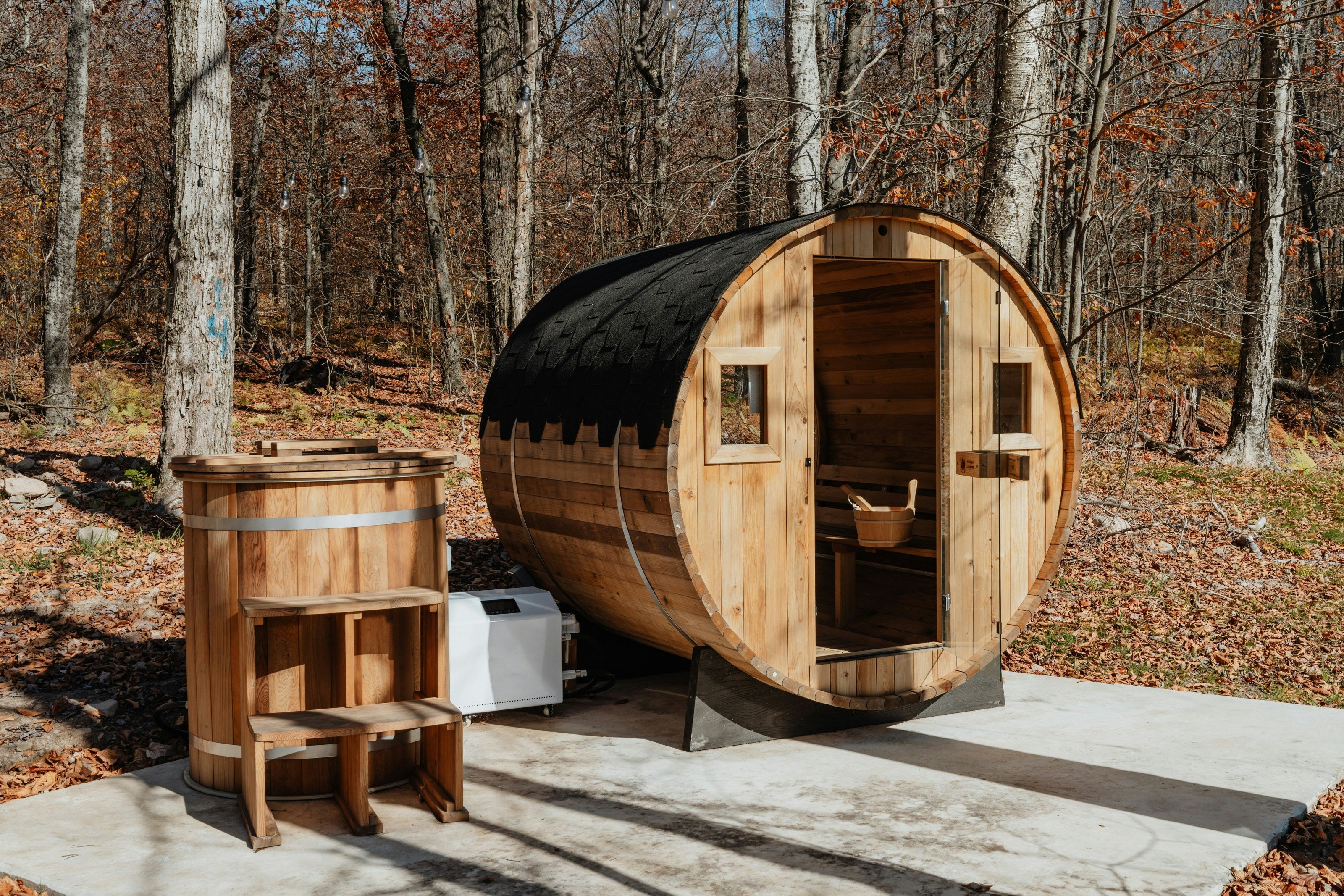
Sauna vs. Hot Tub vs. Cold Plunge: Which is Right for You?
Heat, Cold, and Contrast Therapy Compared—Benefits, Costs, Maintenance, and How to Choose the Right Wellness Investment for Your Home
Home wellness has never been bigger. Saunas, hot tubs, and cold plunges have moved from spas and gyms into backyards and basements across Idaho—and for good reason. Each delivers real, research-backed benefits for recovery, circulation, stress, and sleep. But they work in very different ways, cost different amounts to buy and run, and suit different goals and lifestyles.
So which one is right for you? That depends on what you’re after. Want deep relaxation and muscle relief at the end of the day? Looking for athletic recovery and mental sharpness? Chasing the full Nordic contrast-therapy experience? Each modality has a sweet spot—and for some people, the answer is more than one.
In this guide, we’ll compare saunas, hot tubs, and cold plunges across benefits, experience, cost, maintenance, and space—so you can choose the right wellness investment for your home and your goals. This comes from Leisure Time Inc., with showrooms in Boise, Idaho Falls, and Twin Falls, where we carry all three.
Quick Comparison at a Glance
| Sauna | Hot Tub | Cold Plunge | |
|---|---|---|---|
| Therapy type | Dry/steam heat | Warm water immersion | Cold water immersion |
| Typical temp | 150–195°F (air) | 100–104°F (water) | 45–60°F (water) |
| Session length | 10–20 min | 15–20 min | 2–10 min |
| Best known for | Cardiovascular health, detox sweat, deep relaxation | Muscle relaxation, joint relief, stress, sleep | Inflammation, recovery, alertness, mood |
| Social use | Good (multi-person) | Excellent (multi-person) | Limited (usually solo) |
| Upfront cost | $$–$$$ | $$–$$$$ | $–$$$ |
| Operating cost | Low–Med | Med | Low (plus chiller energy) |
| Maintenance | Low | Medium (water care) | Medium (water care) |
| Year-round Idaho use | Excellent | Excellent | Excellent |
The Sauna: Heat Therapy
A sauna heats the air around you to 150–195°F (traditional) using an electric or wood heater, or warms your body directly with infrared light (infrared saunas run cooler, around 120–150°F). Either way, your core temperature rises, you sweat profusely, and your body responds with a cascade of beneficial effects. Saunas originated in Finland over two thousand years ago and remain one of the most studied wellness practices in the world.
Research-Backed Benefits
- Cardiovascular health: Heat causes blood vessels to dilate and heart rate to rise—similar to light cardiovascular exercise. Long-term observational research has associated frequent sauna use with improved cardiovascular markers, with some of the strongest associations seen at 4–7 sessions per week.
- Heat-shock proteins: Heat exposure triggers the production of heat-shock proteins, which help protect cells from damage and support cellular repair.
- Deep relaxation and stress relief: The warmth relaxes muscles and calms the nervous system. Many users find a sauna session deeply meditative.
- Muscle recovery: Increased circulation delivers oxygen and nutrients to tired muscles and helps clear metabolic waste.
- Detox sweat and skin health: Profuse sweating flushes the skin and can leave it feeling refreshed and clean.
The Experience
A sauna is a dry, quiet, contemplative experience—a warm wooden room where you sit, breathe, and unwind. It’s social enough for two or more, but many people use it as solo decompression time. There’s no water care, no chemicals—just heat. For the full guide to sauna wood and construction, see our blog on the best wood for indoor and outdoor saunas.
Best For
People who want deep relaxation, cardiovascular benefits, a detoxifying sweat, and a low-maintenance wellness practice. Excellent for cold Idaho winters—there’s nothing like a sauna when it’s snowing outside.
The Hot Tub: Warm Water Immersion
A hot tub immerses you in 100–104°F water, combining heat therapy with the buoyancy and massage of water and jets. It’s the most popular of the three by far—and the most versatile, blending genuine therapeutic benefit with social connection and pure enjoyment.
Research-Backed Benefits
- Muscle and joint relief: Warm water causes vasodilation, increasing circulation to sore or tight areas. Buoyancy takes pressure off joints—especially helpful for arthritis and chronic soreness. Heat therapy is well established for long-term conditions like arthritis.
- Stress relief: The combination of heat, buoyancy, and massaging jets is one of the most effective at-home stress relievers available.
- Better sleep: A warm soak before bed raises then gently lowers your core temperature, which can help you fall asleep faster and sleep more deeply.
- Hydrotherapy massage: Targeted jets deliver a therapeutic massage to the back, neck, shoulders, and feet—something neither a sauna nor a cold plunge offers.
- Circulation and cardiovascular: Like a sauna, warm immersion raises heart rate modestly and improves circulation.
The Experience
A hot tub is the most social and versatile of the three. It’s a place to connect with family at the end of the day, soak under the stars, entertain friends, and unwind—while getting genuine therapeutic benefit. It requires water care (sanitizer, balancing) and the most ongoing attention of the three, but modern systems like the FreshWater Salt System make this remarkably easy.
Best For
People who want the most versatile option—relaxation, hydrotherapy massage, joint relief, better sleep, and social connection in one. The best all-around wellness investment for most families, and the centerpiece of any backyard. See our Idaho hot tub buyer’s guide for help choosing one.
The Cold Plunge: Cold Water Immersion
A cold plunge immerses you in 45–60°F water for a short burst—2–10 minutes. Cold water immersion has been practiced since antiquity (Hippocrates prescribed it around 400 B.C.), and it’s surged in popularity as athletes and biohackers have embraced its recovery and mental-clarity benefits. Because water absorbs heat from your body far faster than air, cold water feels intensely, immediately cold—and that’s the point.
Research-Backed Benefits
- Reduced inflammation and soreness: Cold constricts blood vessels and reduces tissue swelling, making it the top choice for reducing muscle soreness and inflammation after intense exercise.
- Faster recovery: Cold immersion is a well-established athletic recovery tool, helping flush metabolic waste and reduce perceived soreness.
- Alertness and mood: Cold exposure triggers a surge of norepinephrine and endorphins—many users report sharp mental clarity, elevated mood, and an energy boost that lasts hours.
- Cold-shock proteins and metabolism: Cold activates cold-shock proteins and brown fat, which may support metabolic function.
- Stress resilience: Voluntarily enduring cold is a form of ‘good stress’ (hormesis) that can build mental toughness and stress tolerance over time.
The Experience
A cold plunge is intense, brief, and invigorating—not relaxing in the moment, but followed by a powerful wave of alertness and wellbeing. It’s usually a solo practice. Modern home plunges use a chiller to maintain cold temperature and a filtration system to keep the water clean, so maintenance is similar to a small hot tub.
Best For
Athletes and active people focused on recovery, anyone chasing mental clarity and an energy/mood boost, and those who want to build stress resilience. The most ‘activating’ of the three—best used in the morning or after a workout, not before bed.
Why Not Both? The Case for Contrast Therapy
Here’s the secret many wellness enthusiasts discover: you don’t have to choose just one. Alternating between heat and cold—known as contrast therapy or the Nordic cycle—may deliver benefits that exceed either therapy alone. The Finnish tradition of alternating sauna and cold water plunge has centuries of history, and modern research supports the physiological rationale.
How It Works
Heat (sauna or hot tub) dilates your blood vessels; cold (plunge) constricts them. Alternating between the two creates a ‘vascular pump’ effect that may improve circulation, while the combined exposure supports recovery, reduces inflammation, sharpens mental clarity, and builds stress resilience.
A Typical Contrast Session
- Heat first: 10–15 minutes in the sauna or hot tub until you’re thoroughly warm.
- Cold plunge: 1–3 minutes in the cold plunge.
- Repeat: Cycle 2–4 times as desired.
- End on cold: Many practitioners follow the ‘Søeberg Principle’—ending on cold so your body reheats itself, which may stimulate further metabolic benefit.
For the complete protocol, see our blog on the best hot-and-cold contrast therapy routine (the Nordic Cycle).
Heat and cold therapy are forms of ‘good stress,’ but they’re still stress on your cardiovascular system. If you have heart conditions, high or low blood pressure, are pregnant, or have any chronic health condition, talk to your doctor before starting—especially with cold plunging and contrast therapy. Always hydrate, never use these therapies under the influence of alcohol, start with shorter sessions, and listen to your body. Never plunge alone if you’re new to cold immersion.
How to Choose: Match the Modality to Your Goal
Still deciding? Use your primary goal to guide you:
| Your Primary Goal | Best Choice |
|---|---|
| Relax and de-stress at the end of the day | Hot Tub |
| Relieve joint pain and arthritis | Hot Tub |
| Hydrotherapy massage for back/neck/shoulders | Hot Tub |
| Better sleep | Hot Tub or Sauna (evening) |
| Cardiovascular health and detox sweat | Sauna |
| Deep, quiet, meditative relaxation | Sauna |
| Reduce post-workout inflammation and soreness | Cold Plunge |
| Morning alertness, energy, and mood boost | Cold Plunge |
| Athletic recovery | Cold Plunge (or contrast) |
| Build mental toughness and stress resilience | Cold Plunge |
| Social connection and entertaining | Hot Tub |
| The complete wellness experience | All three / Contrast Therapy |
Cost, Space, and Practical Considerations
Upfront Cost
- Cold plunge: Generally the lowest entry point, though quality units with chillers and filtration climb into hot-tub territory.
- Sauna: Ranges widely—compact infrared cabins are affordable; large traditional cedar rooms cost more.
- Hot tub: Spans the widest range, from entry-level to premium—see our 10-year cost-of-ownership breakdown for the full picture.
Operating Cost (Idaho)
Idaho’s low electricity rates (7.6¢/kWh in Idaho Falls, ~10¢/kWh on Idaho Power) make all three affordable to run here compared to most states. A hot tub’s ongoing cost is mostly heating; a sauna’s is per-session heating; a cold plunge’s is the chiller running to keep water cold (modest, but it runs continuously).
Maintenance
- Sauna: Lowest. No water, no chemicals—just wipe down benches and ventilate.
- Hot tub & cold plunge: Both involve water care—sanitizing and balancing. A hot tub holds more water and runs hot; a cold plunge holds less but still needs clean, treated water. Salt and mineral systems make both easier.
Space
Saunas need a dedicated footprint (indoor room or outdoor structure). Hot tubs need a reinforced pad or surface and clear delivery access. Cold plunges have the smallest footprint of the three. All three work year-round in Idaho’s climate.
Frequently Asked Questions
Which is best for muscle recovery—sauna, hot tub, or cold plunge?
It depends on timing and goal. Cold plunge is best for reducing acute inflammation and soreness right after intense exercise. Hot tub and sauna are better for relaxing tight muscles and improving circulation. Many athletes use contrast therapy—alternating heat and cold—for the most complete recovery.
Which is best for sleep?
A hot tub or sauna in the evening is best for sleep. The warm-then-cool effect on your core temperature helps you fall asleep faster and sleep more deeply. Cold plunging is activating, so it’s better used in the morning or earlier in the day—not right before bed.
Can I have more than one?
Absolutely—and many people do. A hot tub and cold plunge together enable full contrast therapy. A sauna and cold plunge is the classic Nordic combination. A hot tub and sauna cover relaxation and cardiovascular benefits. If space and budget allow, combining modalities multiplies the benefits.
Which is cheapest to run in Idaho?
All three are affordable in Idaho thanks to our low electricity rates. Saunas cost only per-session heating. Cold plunges use a chiller that runs modestly but continuously. Hot tubs maintain hot water 24/7 but with good insulation cost as little as $25–$50/month here. See our Idaho operating cost guide for real numbers.
Is cold plunging safe?
For most healthy adults, yes—when done sensibly. Start with shorter, less-cold sessions and build up. Never plunge alone when you’re new to it, never under the influence of alcohol, and stop if you feel unwell. If you have heart conditions, high/low blood pressure, or are pregnant, consult your doctor first. Cold immersion is a significant cardiovascular stimulus.
What’s the single best choice for most people?
For most families, a hot tub is the best all-around choice—it offers the widest range of benefits (relaxation, hydrotherapy, joint relief, sleep, social connection) and is the most versatile and enjoyable day to day. If your focus is athletic recovery or mental clarity, add or start with a cold plunge. If you want quiet, dry heat and cardiovascular benefits, a sauna is ideal.
At Leisure Time Inc., we carry saunas, hot tubs, and cold plunges—so we can help you choose the right modality (or combination) for your goals, your space, and your budget. Whether you want a single centerpiece or a complete contrast-therapy setup, our team will walk you through the options and help you build the home wellness retreat that’s right for you.
Heat, cold, or both—your wellness routine starts here.
Browse Hot Tubs: leisuretimeinc.com/collections/hot-tubs
Browse Saunas: leisuretimeinc.com/collections/saunas
Browse Cold Plunges: leisuretimeinc.com/collections/cold-plunges
Idaho Hot Tub Buyer’s Guide: leisuretimeinc.com/blogs/spas-pools/hot-tub-buyers-guide-idaho-2026
Best Hot & Cold Contrast Therapy Routine: leisuretimeinc.com/blogs/health-personal-care/best-hot-cold-routine-contrast-therapy
Best Wood for Saunas: leisuretimeinc.com/blogs/health-personal-care/best-wood-for-indoor-outdoor-saunas
Shop Accessories: leisuretimeinc.com
Locations: leisuretimeinc.com/pages/locations
Boise: (208) 376-0180 • Idaho Falls: (208) 523-4633 • Twin Falls: (208) 933-4295