
What is The Best "Hot-Cold" Routine? (Contrast Therapy)
The Nordic Cycle, the Science Behind It, and How to Build Your Own Hot-Cold Routine at Home
Step into a sauna at 180°F until your heart is pounding. Walk outside into the cold Idaho air—or plunge into ice-cold water. Stand there, breathing, tingling, alive. Then do it again.
This is contrast therapy—also called the Nordic Cycle, hot-cold therapy, or simply the Finnish way of bathing. It’s been practiced in Scandinavia for over 2,000 years, and in the last decade, modern research has caught up with what Nordic cultures have known all along: deliberately alternating between heat and cold produces a powerful cascade of physiological benefits that neither heat nor cold can achieve on its own.
At Leisure Time Inc., we carry Finnleo and Tylö saunas alongside Hot Spring, Sundance, and Caldera hot tubs—giving you everything you need to build a complete contrast therapy setup at home. In this guide, we’ll explain the science, walk you through the best protocols by health goal, and help you design a routine that works for your lifestyle.
Always consult your physician before beginning contrast therapy, particularly if you have cardiovascular conditions, uncontrolled hypertension, peripheral vascular disease, neuropathy, are pregnant, or have open wounds. Never do cold plunges alone—always have someone nearby.
What Is the Nordic Cycle?
The Nordic Cycle is the traditional Finnish practice of alternating between three phases:
- Heat: 15–20 minutes in a sauna at 170–195°F, with optional löyly (steam from water on the rocks).
- Cold: 1–5 minutes in cold water (a lake, cold plunge, cold shower, or even rolling in snow)—typically 40–60°F.
- Rest: 5–15 minutes of quiet relaxation—sitting, breathing, letting your body return to baseline.
This three-phase cycle is repeated 2–3 times per session. In Finland, the entire ritual typically takes 60–90 minutes and is as much a social and cultural experience as it is a health practice. The sauna was historically the first structure built on a Finnish homestead—before the house itself—and the hot-cold cycle was woven into daily life.
The rest phase is critical and often overlooked. Rushing from cold straight back into heat eliminates the parasympathetic recovery window that produces much of the cycle’s stress-reduction and mood-enhancing benefits. The rest is where your nervous system integrates the experience.
How Contrast Therapy Works: The Science
Contrast therapy leverages your body’s thermoregulatory system to create what researchers call a “vascular pumping” effect—and a cascading set of neurochemical and hormonal responses:
The Heat Phase (Vasodilation)
In the sauna, your core temperature rises, blood vessels dilate (expand), heart rate increases to 110–150+ bpm, and cardiac output surges. Blood flows to the skin and extremities for cooling. Your body releases endorphins, heat shock proteins are activated, cortisol drops, and you begin sweating profusely. This mimics the cardiovascular effects of moderate-intensity exercise.
The Cold Phase (Vasoconstriction)
When you plunge into cold water, the opposite happens instantly: blood vessels constrict (narrow), blood rushes back to your core to protect vital organs, heart rate spikes briefly, and your body releases a flood of norepinephrine (200–530% increase) and dopamine (up to 250% increase, sustained for hours). Norepinephrine sharpens focus and attention; dopamine elevates mood, motivation, and pleasure. This neurochemical response is why people describe the post-plunge feeling as “alive,” “electric,” and “euphoric.”
The Vascular Pump
The alternation between vasodilation (heat) and vasoconstriction (cold) creates a pumping action through your circulatory system. This enhanced circulation delivers more oxygen and nutrients to tissues, accelerates the removal of metabolic waste products (like lactic acid), and trains your blood vessels to be more responsive and adaptable—improving vascular elasticity over time.
The Rest Phase (Parasympathetic Recovery)
During rest, your nervous system shifts from the sympathetic (“fight or flight”) activation triggered by cold into parasympathetic (“rest and digest”) mode. Heart rate slows, breathing deepens, muscles relax, and a profound sense of calm settles in. This autonomic nervous system training—repeatedly cycling between activation and recovery—builds long-term stress resilience.
Research-Backed Benefits of Contrast Therapy
| Benefit | What the Research Shows |
|---|---|
| Cardiovascular health | Vascular pumping improves blood vessel elasticity and circulation. Finnish KIHD study: 4–7 sauna sessions/week = 50% lower cardiovascular mortality. Cold exposure activates norepinephrine for additional vascular training. |
| Muscle recovery | Systematic reviews show contrast therapy reduces perceived muscle soreness and speeds recovery after intense exercise. MMA athletes showed improved strength and reduced stiffness within 5 minutes of treatment. |
| Mental health and mood | Cold exposure boosts dopamine up to 250% (sustained, not spike-and-crash). Heat releases endorphins and reduces cortisol. Combined effect: improved focus, motivation, mood, and stress resilience. |
| Immune function | Heat exposure elevates core temperature, helping immune cells function better. Cold stimulates the lymphatic system. Regular practitioners report fewer colds and improved resilience to illness. |
| Inflammation reduction | Infrared sauna + cold plunge has been shown to reduce CRP (C-reactive protein) by ~30%. Cold reduces acute inflammation; heat promotes long-term anti-inflammatory adaptation. |
| Sleep quality | Post-sauna temperature drop mimics the body’s natural sleep signal. Cold exposure’s norepinephrine release can improve sleep architecture. Best results: contrast therapy 1–2 hours before bed. |
| Stress resilience | Repeated cycling between sympathetic (cold) and parasympathetic (rest) activation trains your autonomic nervous system to recover faster from stress. Regular practitioners report feeling more emotionally balanced. |
| Skin health | Heat opens pores and promotes deep sweating (detox). Cold tightens pores and improves skin tone. The combination cleanses, tightens, and refreshes skin from the inside out. |
Best Protocols by Health Goal
There is no single “perfect” protocol—the best routine depends on what you’re trying to achieve. Here are research-informed guidelines for different goals:
General Wellness and Stress Relief
- Sauna: 15–20 min at 170–190°F
- Cold: 1–2 min cold shower or cold plunge at 50–60°F
- Rest: 5–10 min
- Rounds: 2–3
- Frequency: 2–3x per week
- End with: Cold (to seal the anti-inflammatory and dopamine benefits)
Athletic Recovery
- Sauna: 12–15 min at 170–195°F
- Cold: 2–5 min cold plunge at 50–59°F
- Rest: 5–10 min
- Rounds: 2–3
- Frequency: After intense training sessions, 2–4x per week
- Important: Wait 2–4 hours after strength training before cold plunging—cold immediately post-lifting can blunt muscle hypertrophy and strength adaptations.
Cardiovascular Conditioning
- Sauna: 15–20 min at 176–212°F
- Cold: 1–3 min cold plunge or cold shower
- Rest: 10–15 min
- Rounds: 2–3
- Frequency: 4–7x per week (aligns with KIHD study’s strongest cardiovascular outcomes)
Growth Hormone Optimization
- Sauna: Two 20-minute sessions at 176–212°F with a 30-minute cool-down (room temperature) between
- No cold plunge: Cold exposure immediately after sauna blunts growth hormone release (200–300% increase with heat alone)
- Frequency: Once per week (infrequent use produces the strongest GH spikes)
- Key: No food for 2–3 hours before the session; the fasted state amplifies GH release
Metabolism and Brown Fat Activation
- Cold exposure: Aim for ~11 minutes total cold exposure per week, spread across 2–3 sessions
- After cold: Allow your body to rewarm naturally (don’t immediately jump back into heat)—this activates brown fat thermogenesis, burning calories to generate heat
- Søeberg Principle: End with cold; dry off with arms extended in open air to maximize metabolic activation
The order matters. For most goals, start with heat and end with cold. Ending on cold seals the anti-inflammatory benefits and sustains the dopamine/norepinephrine elevation for hours. The one exception: if growth hormone is your primary goal, skip the cold entirely and end with gradual cooling at room temperature.
Building Your Contrast Therapy Setup at Home
One of the biggest advantages of owning a sauna and a hot tub (or cold plunge) is the ability to practice contrast therapy on your own schedule—no gym, no spa membership, no travel. Here’s how to build your setup:
The Heat Source: Your Sauna
- Traditional Finnish sauna (Finnleo or Tylö): The gold standard for contrast therapy. Heats air to 170–195°F with the option for löyly. This is the sauna type used in the Finnish research.
- Infrared sauna (Finnleo S-Series or InfraSauna): Lower air temperature (120–150°F) but still raises core temperature effectively. Good for those who prefer gentler heat. Allow 30–45 minutes for the heat phase.
- Hot tub: Your Hot Spring, Sundance, or Caldera spa at 100–104°F provides a milder heat phase that’s still effective for contrast therapy—especially for beginners or those who find sauna temperatures too intense.
The Cold Source
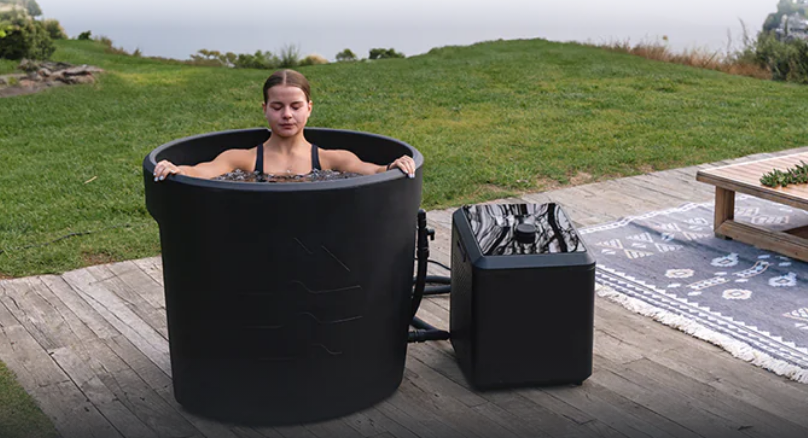
- Cold plunge tub: Dedicated cold plunge units with temperature control are the most convenient option. Set to 40–60°F depending on your tolerance.
- Cold shower: The simplest and most accessible option. Turn the water as cold as it goes for 1–3 minutes between sauna rounds.
- Natural water: Idaho rivers, lakes, and streams provide natural cold plunge options (always with a buddy and appropriate safety precautions).
- Ice in a stock tank or large tub: A budget-friendly DIY option. Fill a large tub with cold water and add ice to reach 50–60°F.
The Rest Area
- A bench, chair, or simply a spot to sit quietly outdoors between rounds. In Idaho, stepping outside into the crisp air between rounds is part of the experience—especially in winter.
Place your sauna and cold source as close together as possible. The shorter the transition, the more powerful the vascular response. Many of our customers install their sauna near their back door with a cold plunge or stock tank just steps away.
A Beginner’s Guide to Starting Contrast Therapy
If you’ve never done hot-cold cycling before, start conservatively and build up:
- Week 1–2: Sauna for 10–12 minutes at moderate temperature (160–175°F). Exit and take a cool (not ice-cold) shower for 30–60 seconds. Rest 5–10 minutes. Do 1–2 rounds. Focus on breathing and staying calm during the cold.
- Week 3–4: Increase sauna to 15 minutes at 175–185°F. Transition to a colder shower or brief cold plunge (30–60 seconds at 55–60°F). Rest 5–10 minutes. Do 2 rounds.
- Week 5+: Full Nordic Cycle: 15–20 min sauna at 180–195°F, 1–3 min cold plunge at 45–55°F, 5–15 min rest. Do 2–3 rounds. Listen to your body—everyone adapts at a different pace.
The cold is the hardest part for most people. The key is controlled breathing—slow, steady exhales. The initial shock passes within 30–60 seconds. After that, a remarkable calm and clarity emerges. Most people who push through the first few sessions describe the cold as the most rewarding part of the entire cycle.
Frequently Asked Questions
Should I start with hot or cold?
For most goals, start with heat. The sauna warms your body and opens your blood vessels, making the cold transition more tolerable and the vascular contrast more pronounced. The exception: if you’re targeting dopamine and alertness specifically, some practitioners start with cold first thing in the morning.
Should I end with hot or cold?
End with cold for most goals. Ending on cold seals the anti-inflammatory benefits and sustains the dopamine/norepinephrine elevation for hours. The one exception: if growth hormone is your primary goal, end with heat and cool down gradually at room temperature (cold blunts GH release).
Can I use my hot tub instead of a sauna for the heat phase?
Yes. A hot tub at 100–104°F provides a milder heat phase, but it still raises your core temperature and produces a meaningful contrast when paired with cold exposure. This is a great entry point for beginners or anyone who finds sauna temperatures too intense. The vascular contrast is less dramatic than sauna-to-cold, but the benefits are real.
How cold does the water need to be?
Cold enough to trigger the “I want to get out, but I can safely stay in” response. For most people, that’s 45–60°F. Colder isn’t necessarily better—the key is the thermal contrast and the duration, not the absolute temperature. Start warmer and work your way down as you adapt.
How often should I do contrast therapy?
2–3 times per week for general wellness. Athletes may benefit from 3–4x per week. For maximum cardiovascular benefit, the Finnish research supports 4–7 sauna sessions per week (though not all need to include cold plunging). Dr. Huberman and Dr. Søeberg recommend accumulating ~11 minutes of total cold exposure per week for metabolic benefits.
Will cold plunging after the sauna negate the sauna benefits?
No—for most benefits. The cardiovascular conditioning, endorphin release, heat shock protein production, and cortisol reduction from the sauna still occur regardless of what you do afterward. The one exception is growth hormone: cold exposure immediately after heat blunts the GH spike. If GH is your goal, skip the cold.
Is contrast therapy safe?
For healthy individuals, yes—when practiced sensibly. Start gradually, never plunge alone, stay hydrated, and listen to your body. People with cardiovascular disease, uncontrolled hypertension, peripheral vascular disease, neuropathy, or who are pregnant should consult a physician before beginning.
At Leisure Time Inc., we carry everything you need: Finnleo and Tylö saunas for the heat phase, Hot Spring, Sundance, and Caldera hot tubs for a gentler heat option or post-session recovery soak, plus accessories and expertise to help you design the perfect setup for your backyard and your goals.
Heat. Cold. Rest. Repeat. It’s that simple—and that powerful.
Browse Finnleo Saunas: leisuretimeinc.com/collections/finnleo-saunas
Browse Tylö Saunas: leisuretimeinc.com/collections/tylo-saunas
Browse Hot Tubs: leisuretimeinc.com/collections/hot-tubs
Shop Accessories: shop.leisuretimeinc.com
Locations: leisuretimeinc.com/pages/locations
Boise: (208) 376-0180 • Idaho Falls: (208) 523-4633 • Twin Falls: (208) 933-4295